 Garage Openers
 Garage Springs
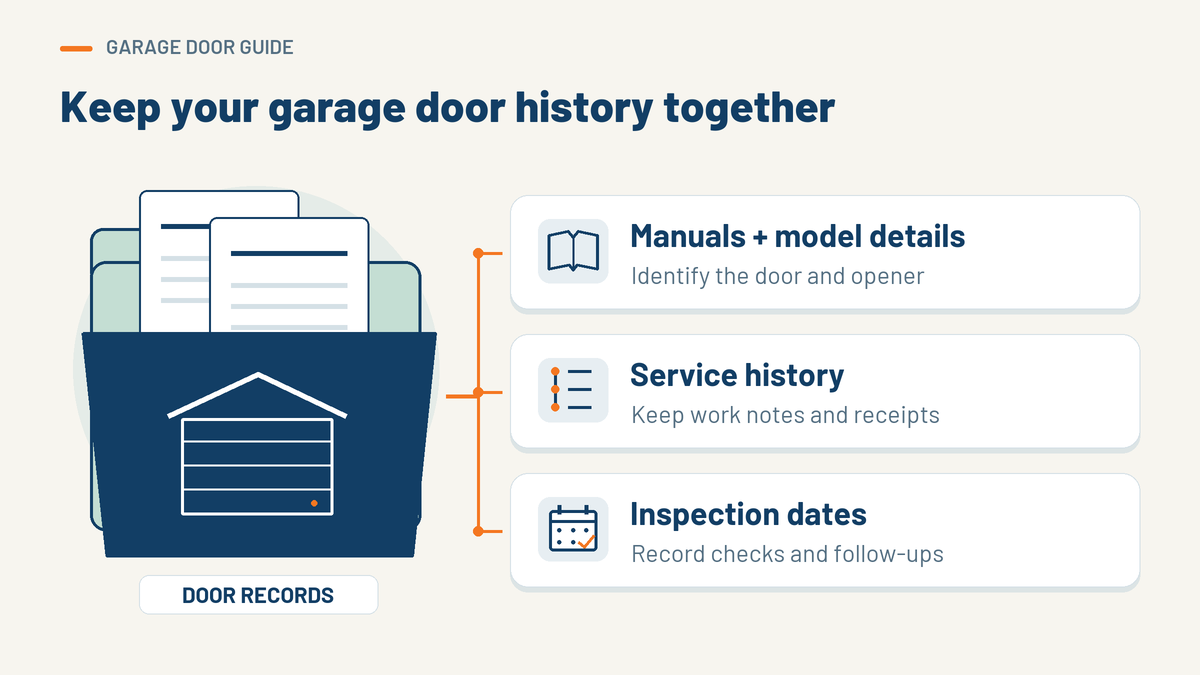
Garage Door Maintenance Records: What Homeowners Should Keep
Keep a small, organized record of the equipment, completed work and unresolved symptoms. It helps the next service visit start with facts instead of guesses.

We repair all brands – not just these.
THE GARAGE DOOR GUIDE
Practical garage door advice for Los Angeles homeowners. Understand the symptom, weigh your options, and know when to stop and call a professional.
Maintenance & safety
Keep a small, organized record of the equipment, completed work and unresolved symptoms. It helps the next service visit start with facts instead of guesses.
Read the guideSTART WITH YOUR QUESTION
Useful explanations. Safer decisions. Find garage door repair and maintenance guides by symptom: a door off track, a broken spring, sensors that blink, a remote or keypad that stops responding, or a motor that hums without moving the door. For decisions about cost and scope, start with Los Angeles garage door repair costs.
Keep a small, organized record of the equipment, completed work and unresolved symptoms. It helps the next service visit start with facts instead of guesses.
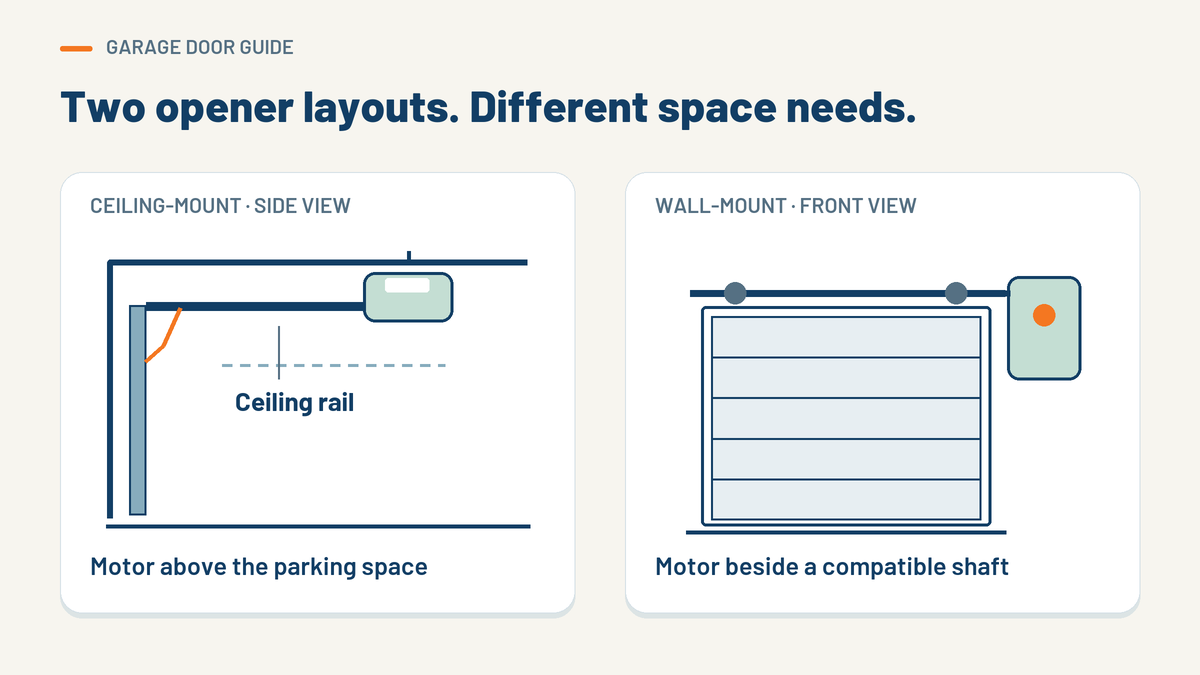
A wall-mount opener can clear the center of your garage ceiling, but the door system must support it. Compare the complete installation before choosing a layout.
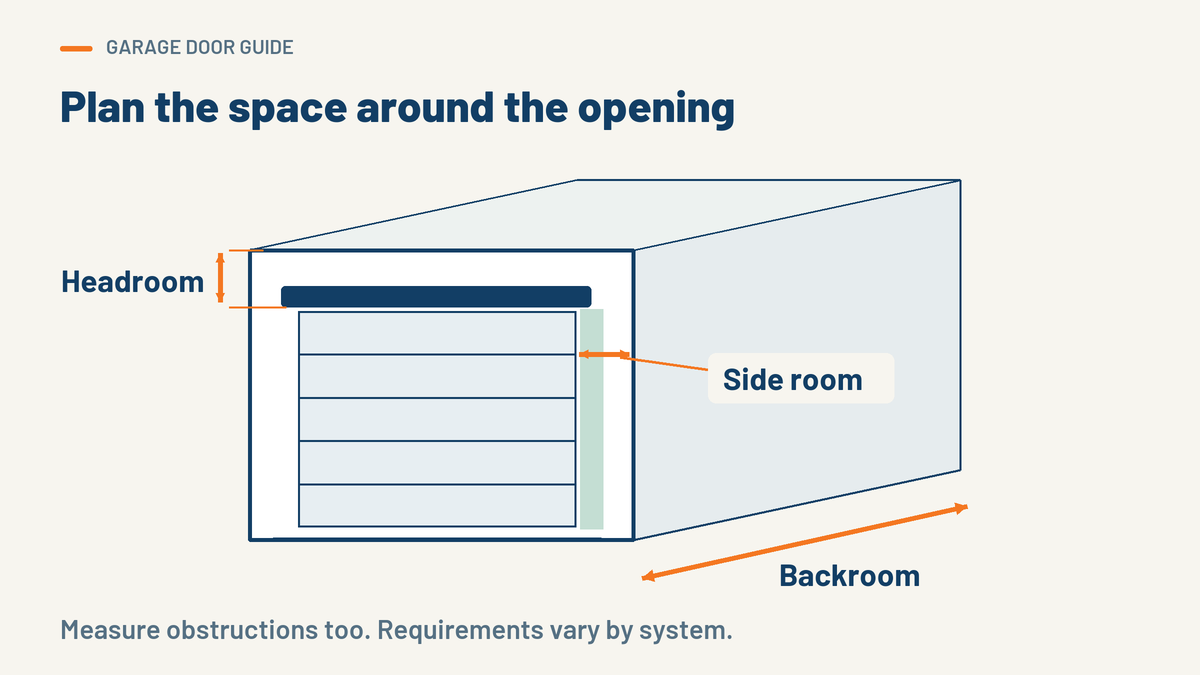
The opening size is only part of a garage door installation. Record the space above, beside and behind it, then match the complete door and opener system to that space.
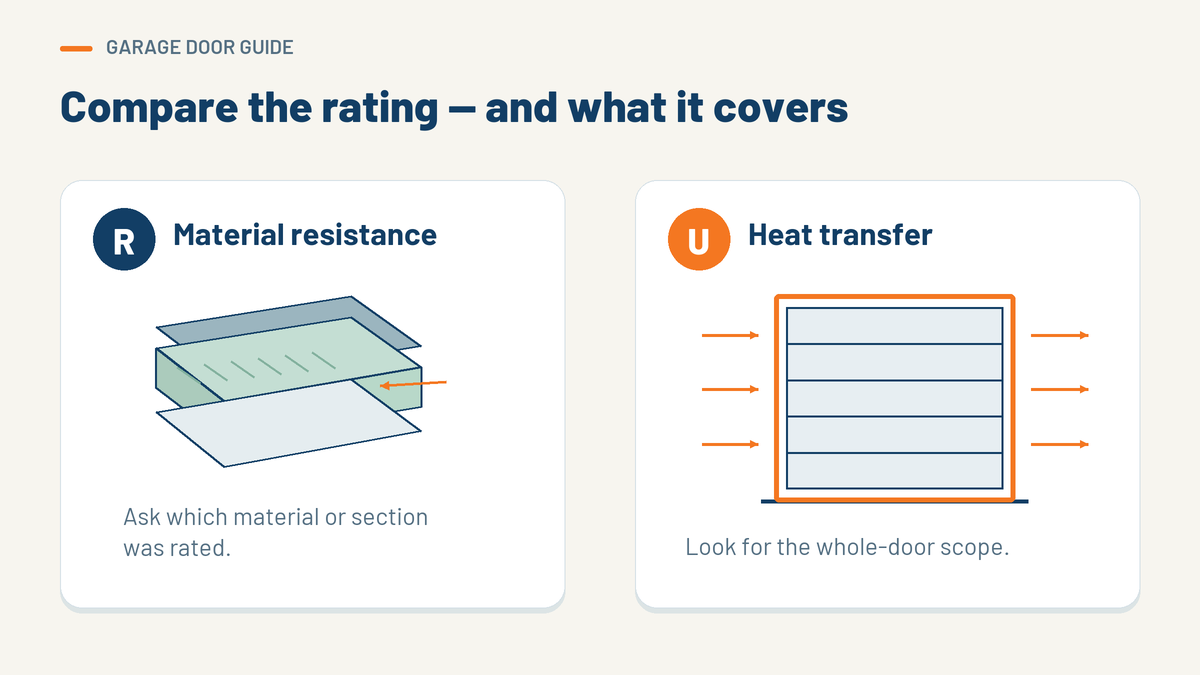
A high insulation R-value and a low whole-door U-factor describe different things. Check what each rating covers before deciding which garage door performs better.
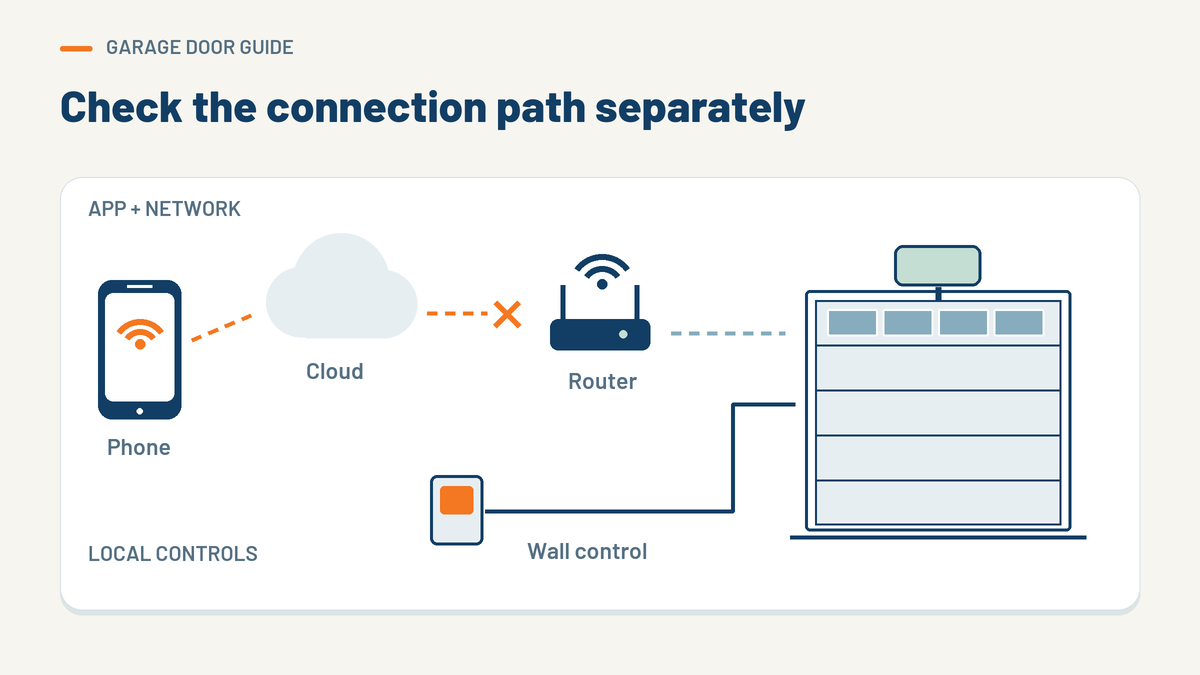
An offline app does not automatically mean a failed opener. Compare local controls, the door's physical condition and the network before resetting anything.
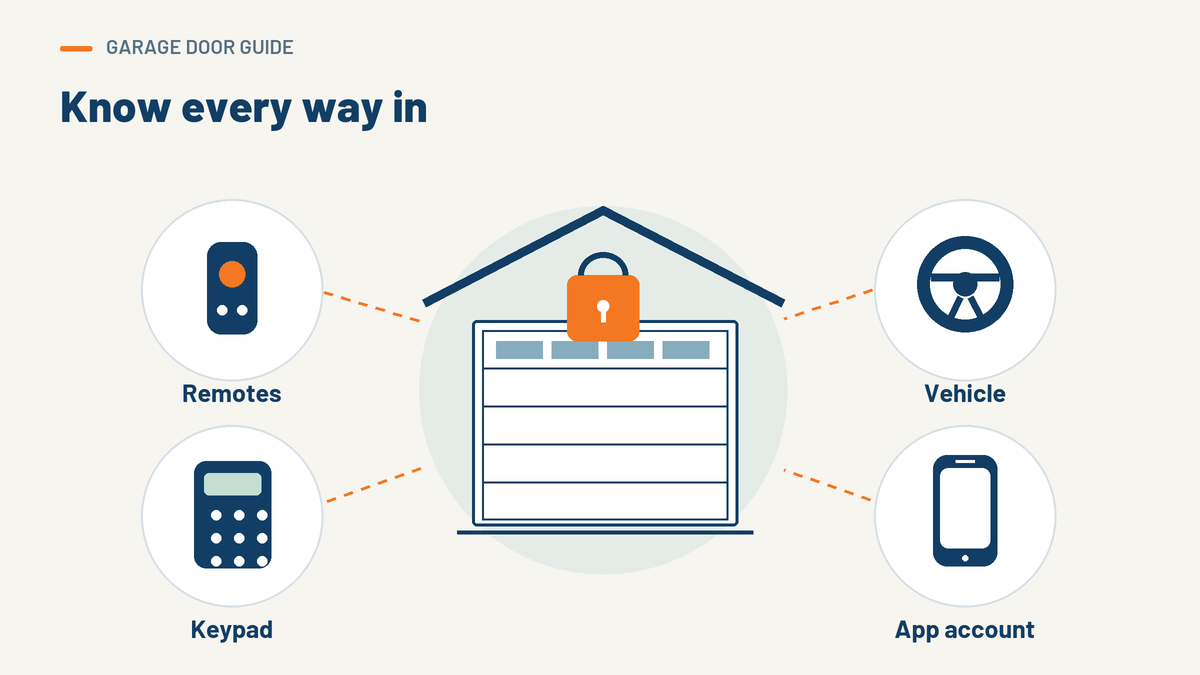
A new keypad PIN is only one part of a garage access handover. Inventory every control, follow the exact model's instructions and verify the access you intend to keep.
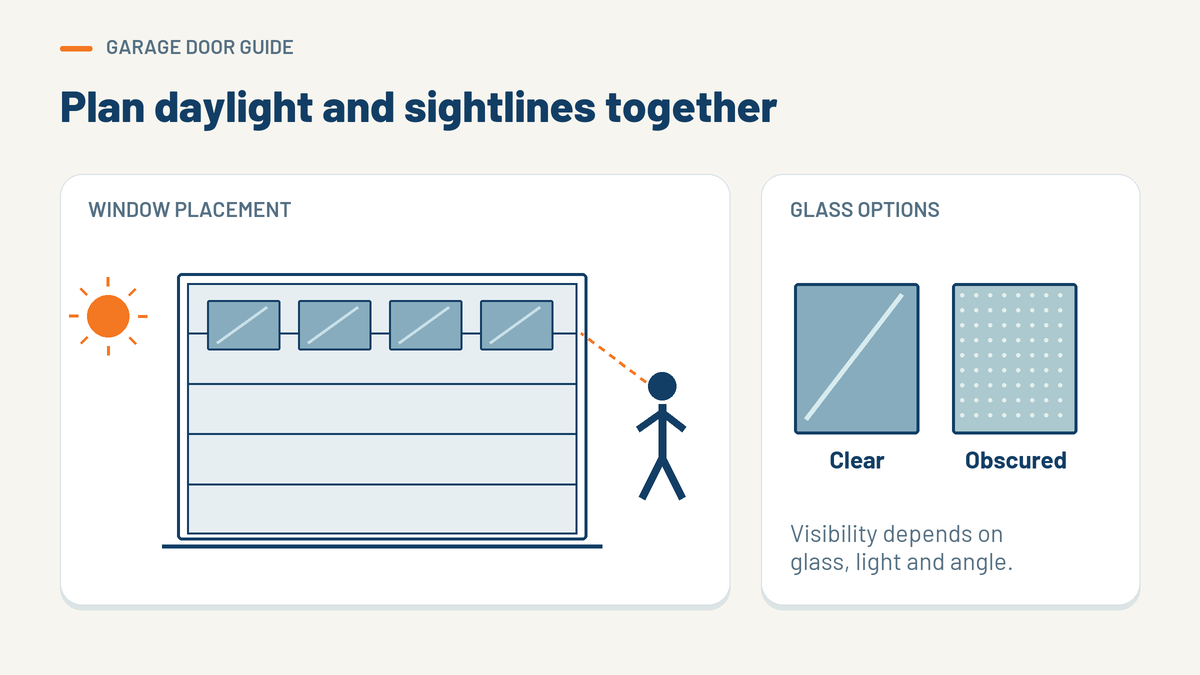
Choose garage door windows by sight line, glass sample and compatible door design. Window height and lighting conditions matter as much as the name of the glass.
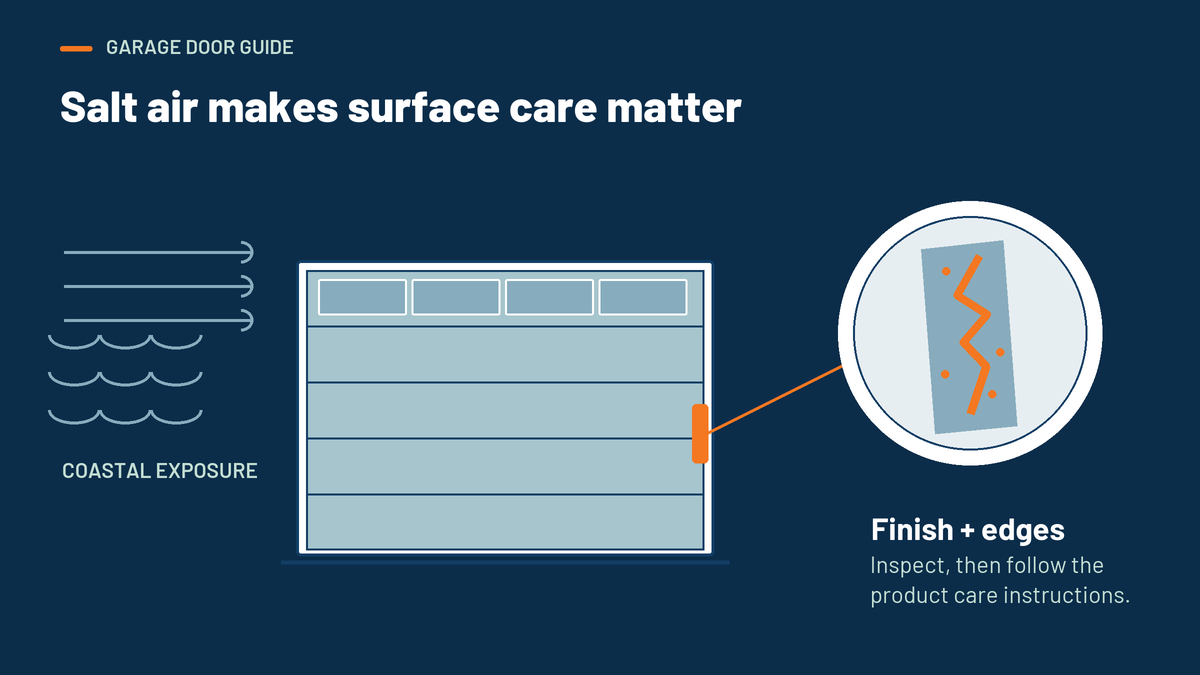
Salt exposure calls for a finish-specific care plan and attention to the working hardware. Learn what to record, what to avoid and when a technician should inspect.
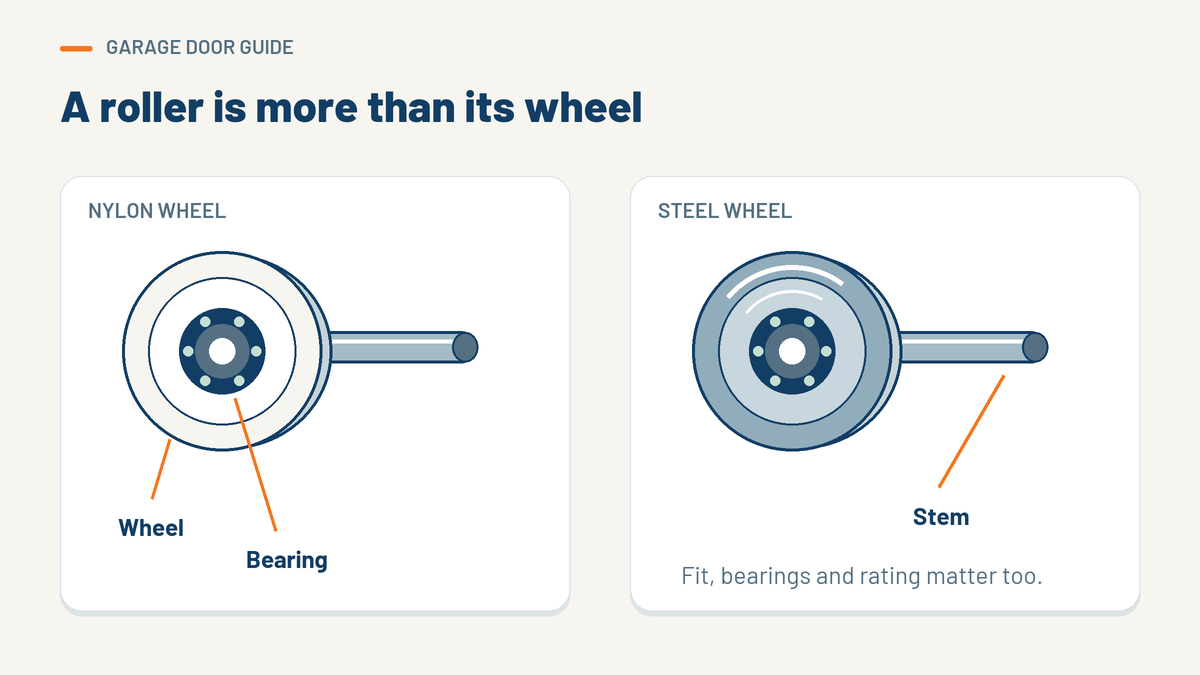
A roller upgrade must fit the door as well as your noise expectations. Compare wheel material, bearing construction and specifications without guessing at compatibility.
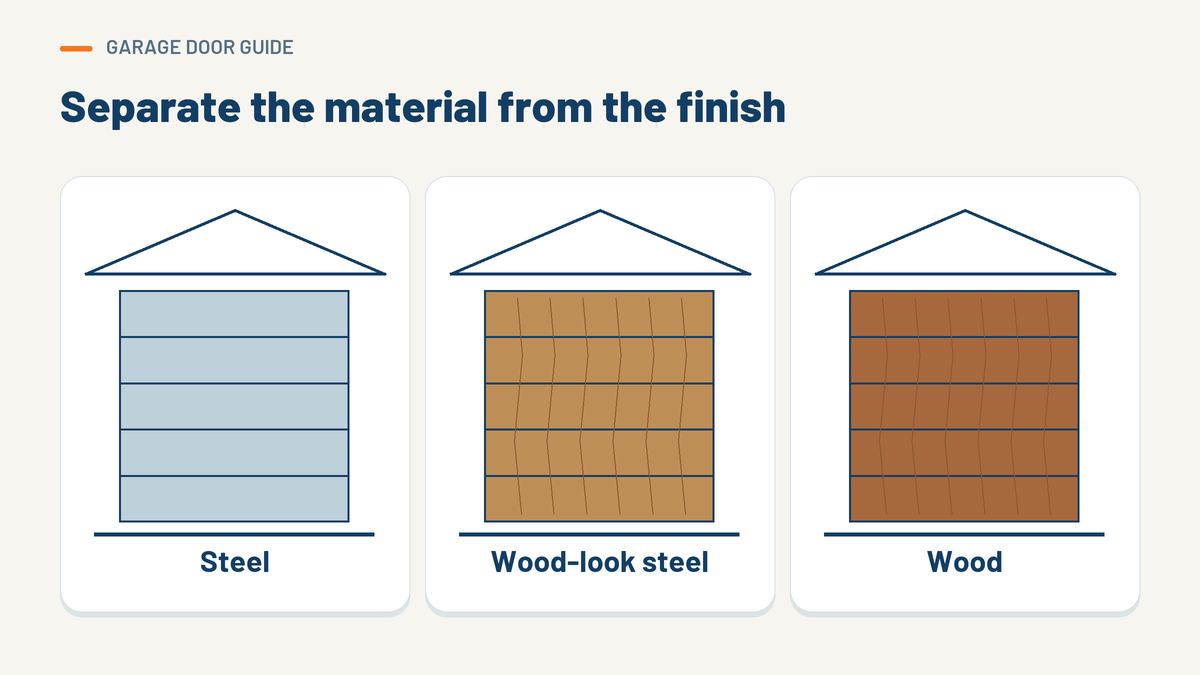
Compare specific steel and wood door designs, not broad material promises. Consider finish maintenance, appearance, thermal ratings and the complete operating system.
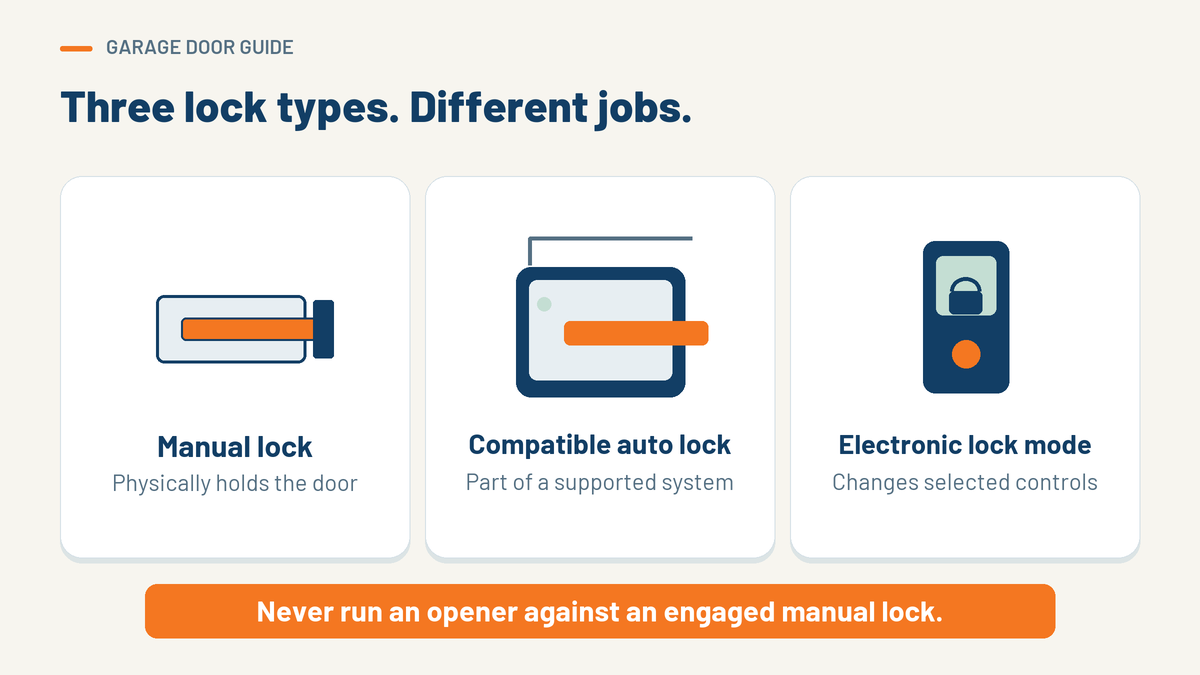
Mechanical locks, powered locks and electronic lock modes do different jobs. Learn how to avoid conflicting controls and verify compatibility with your opener.
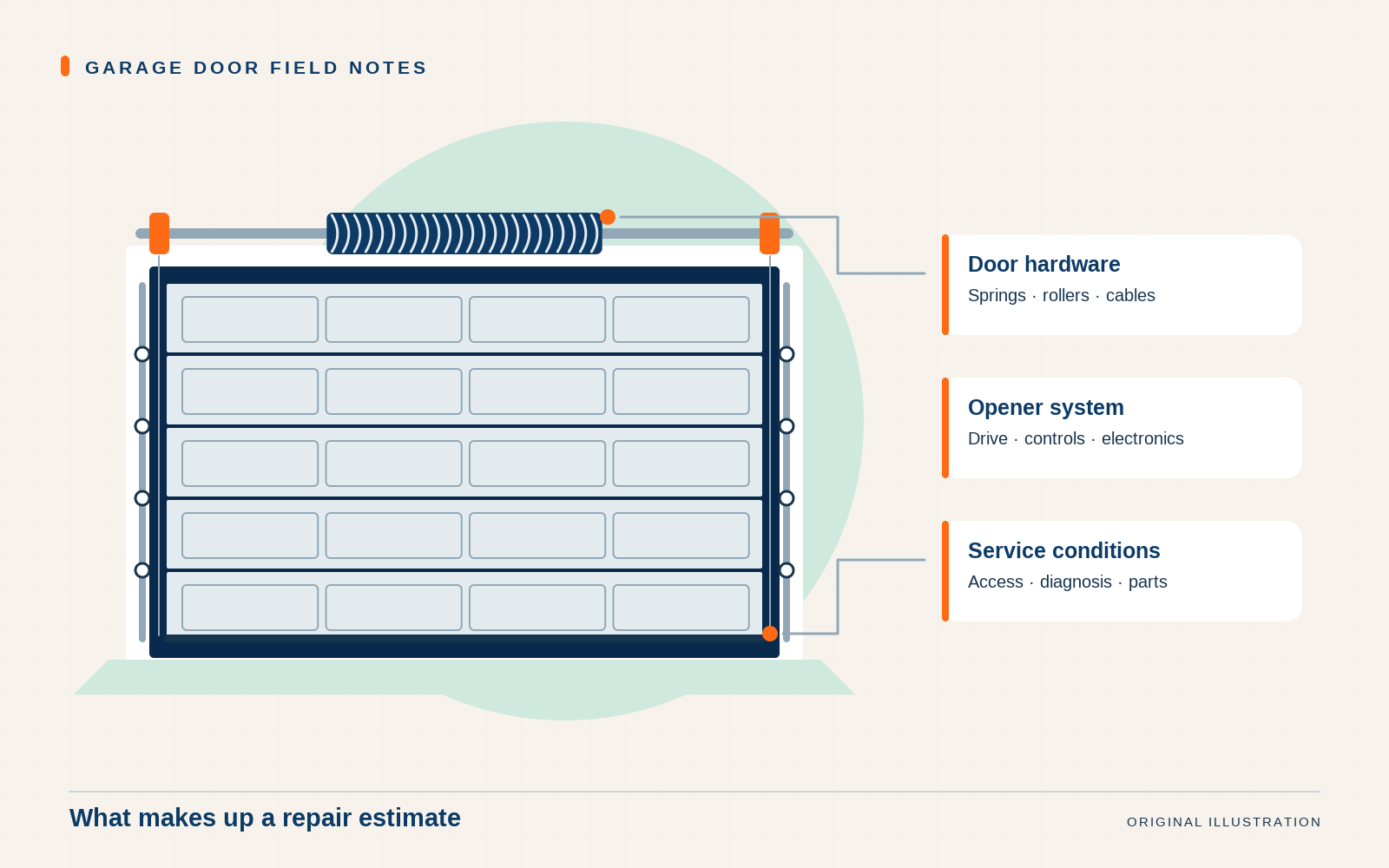
A garage door repair price is useful only when it describes the problem, the parts and the work included. Use this guide to turn a verbal estimate into a comparison you can actually make.
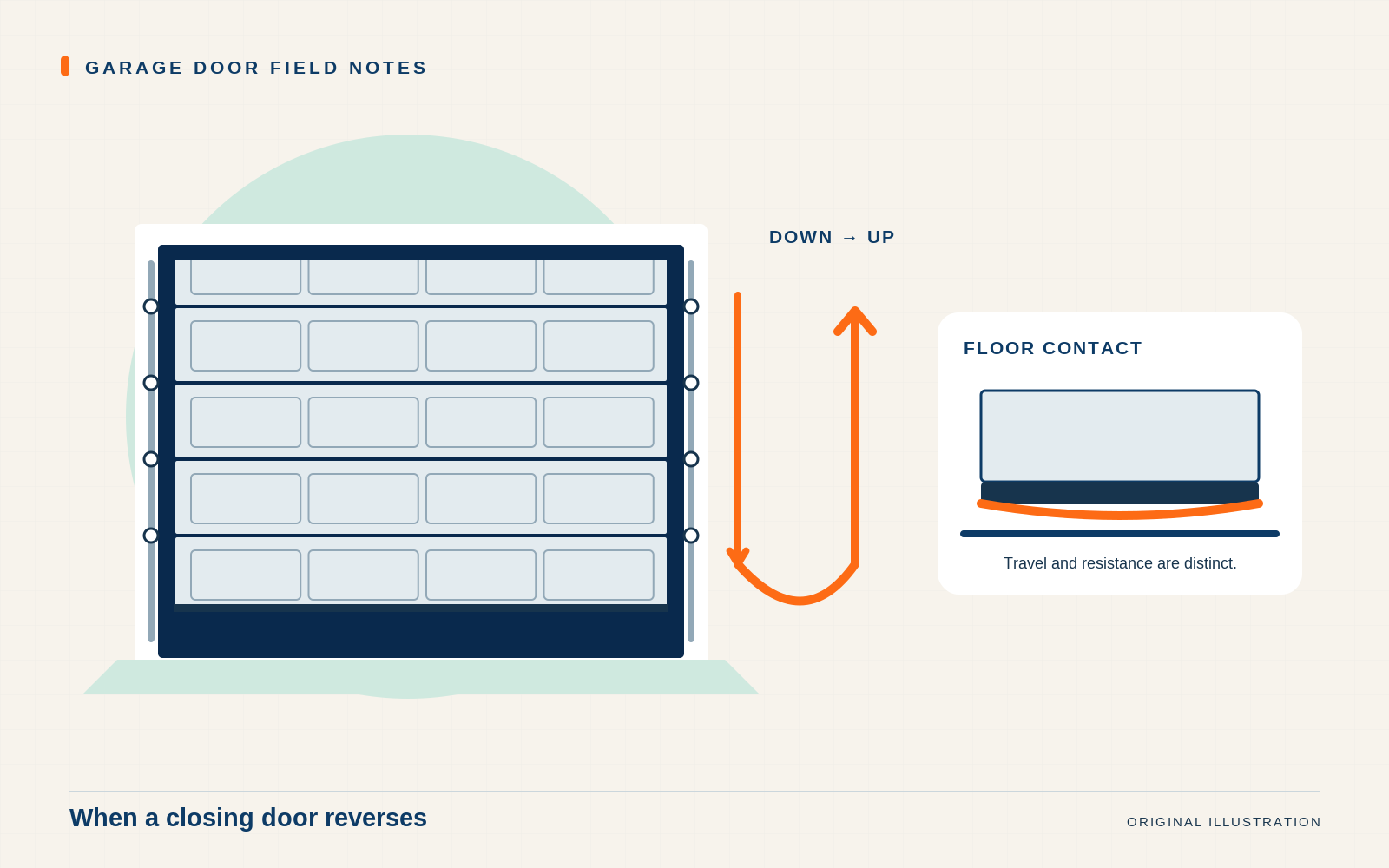
A door that reaches the floor and immediately goes back up gives a useful timing clue. The next step is to separate closing travel, resistance and safety-sensor behavior without increasing force or defeating a safety device.
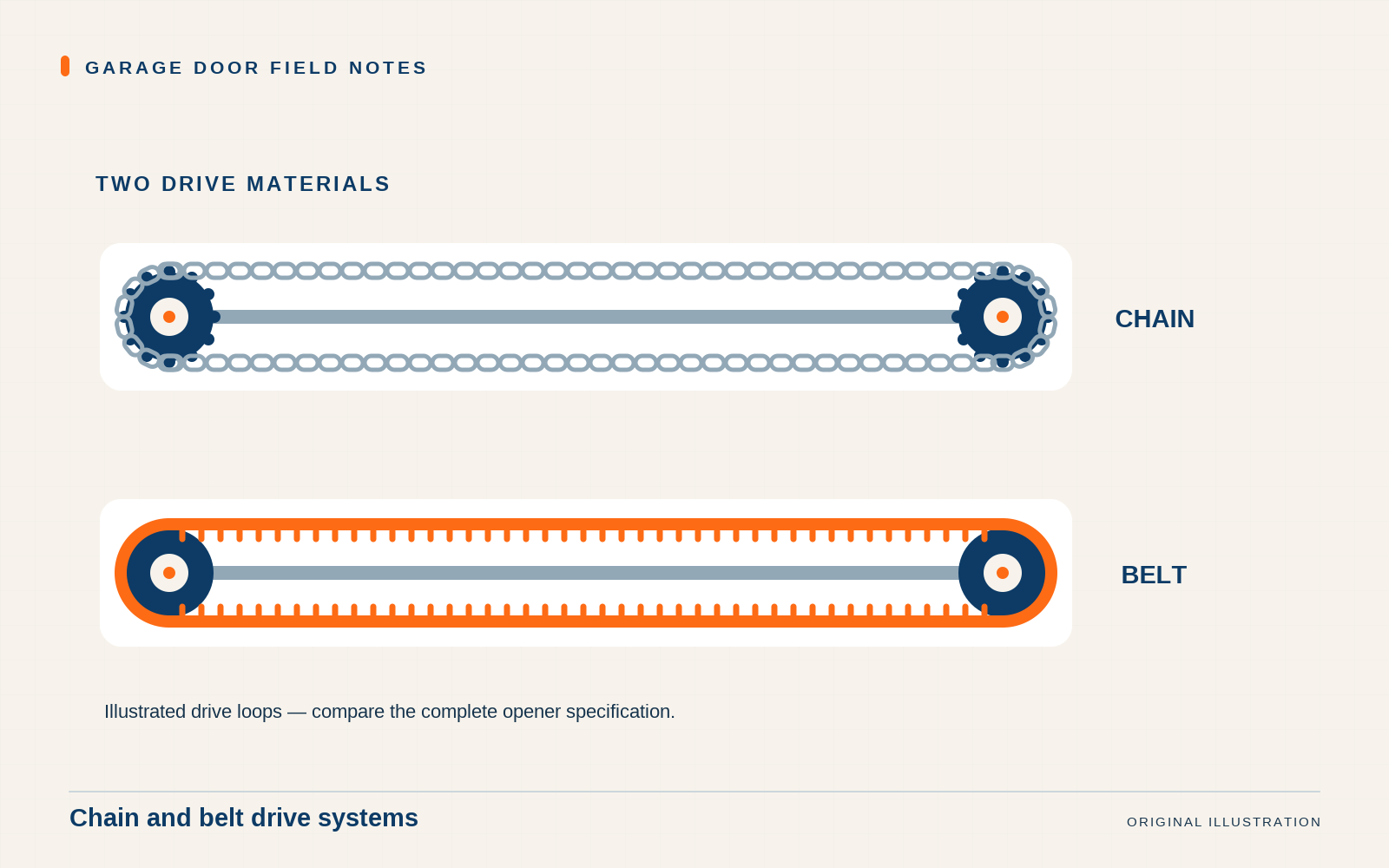
Chain and belt drives describe how an opener moves its trolley. They do not, by themselves, tell you whether the complete opener is suitable for your door, quiet enough for the room above it or compatible with the controls you want.
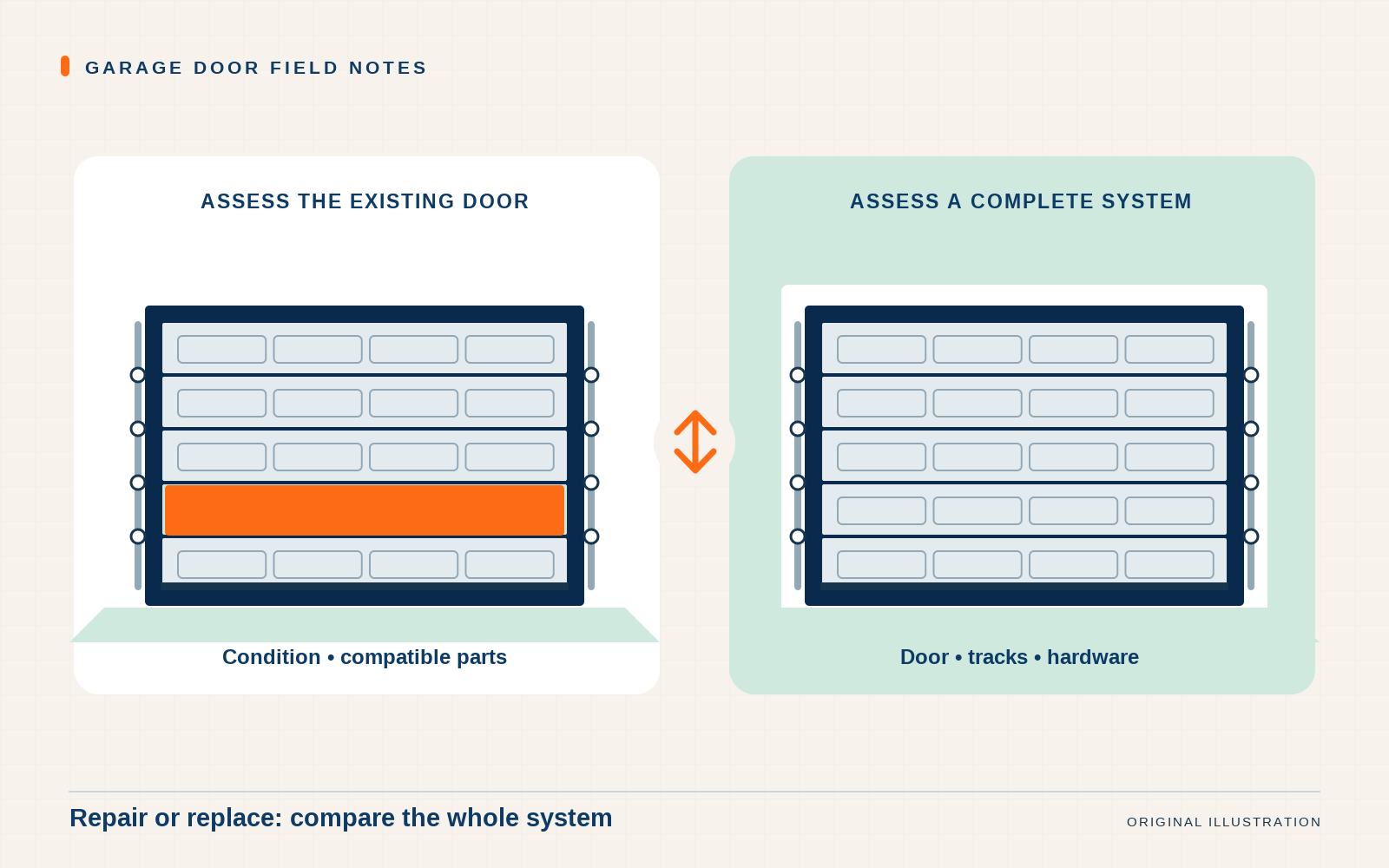
An isolated failed part and a damaged door system call for different decisions. Compare a safe, defined repair with a complete replacement by looking at structure, parts availability, the result you need and the work included.
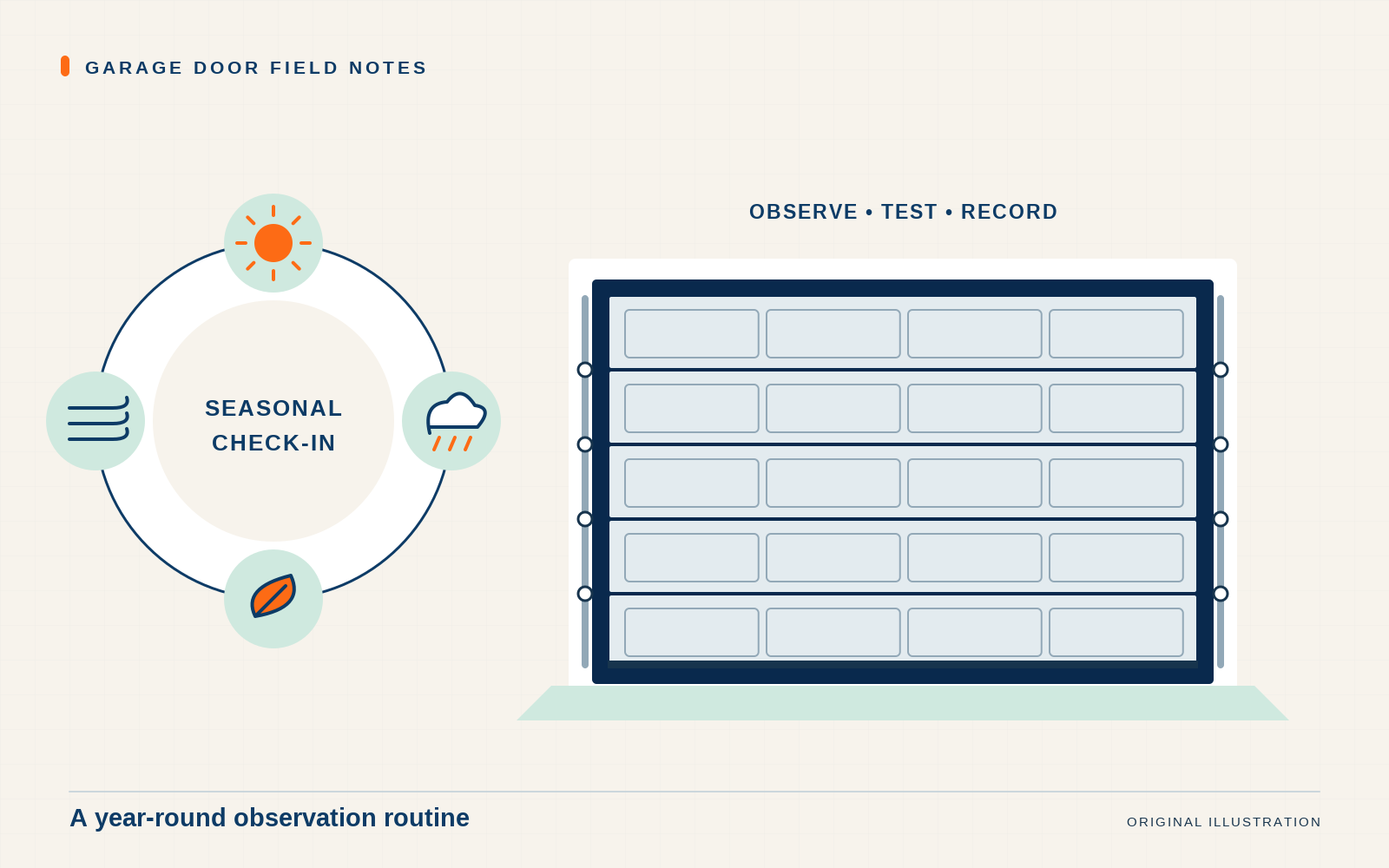
A useful maintenance routine combines brief observations, the safety tests specified for your opener and care suited to the door manufacturer. It should make developing problems easier to notice without turning high-tension repairs into a home project.
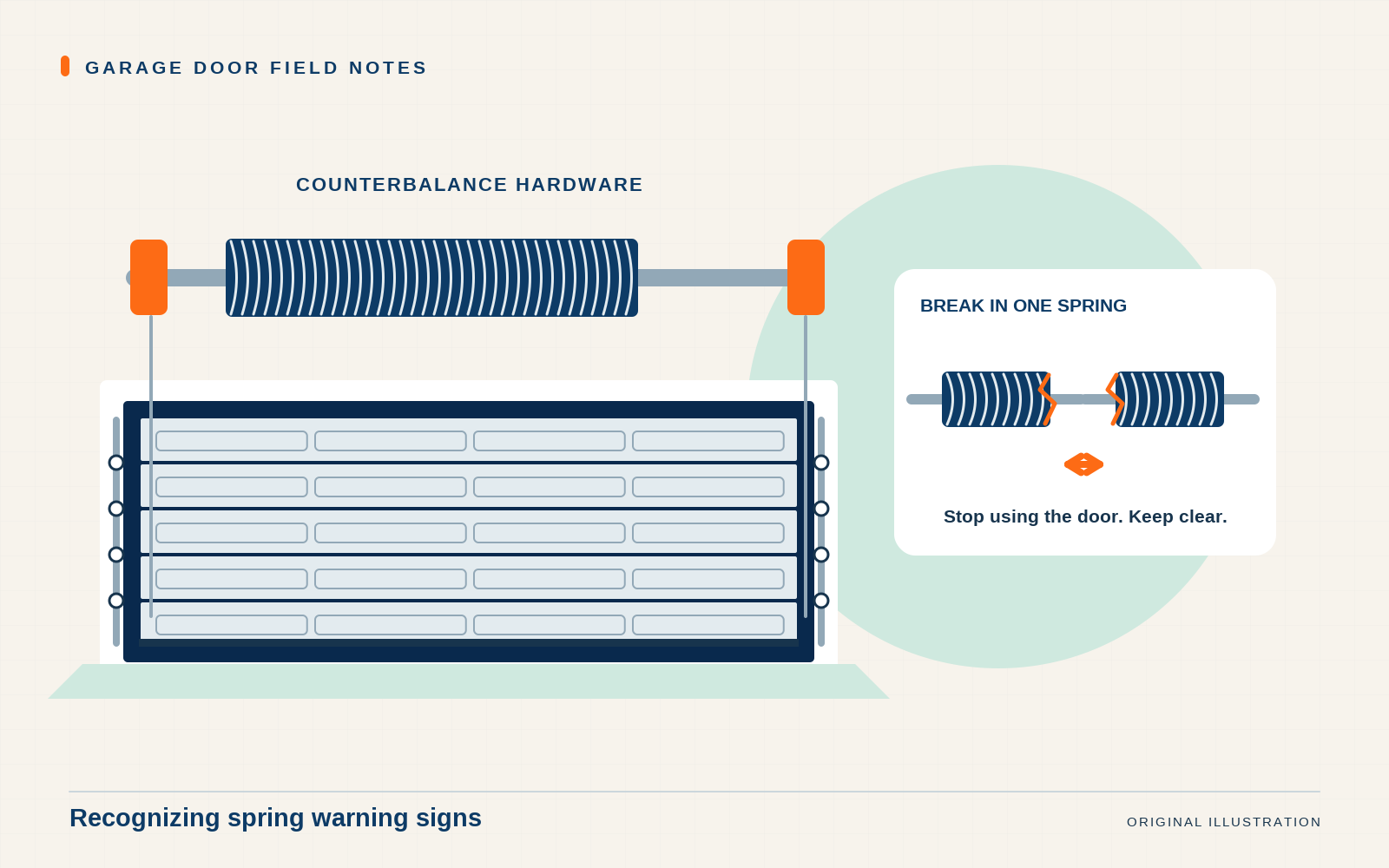
Some spring problems produce visible or operational clues, but there is no reliable visual countdown to a spring breaking. Learn which observations justify an inspection and which mean the door should stay out of use.
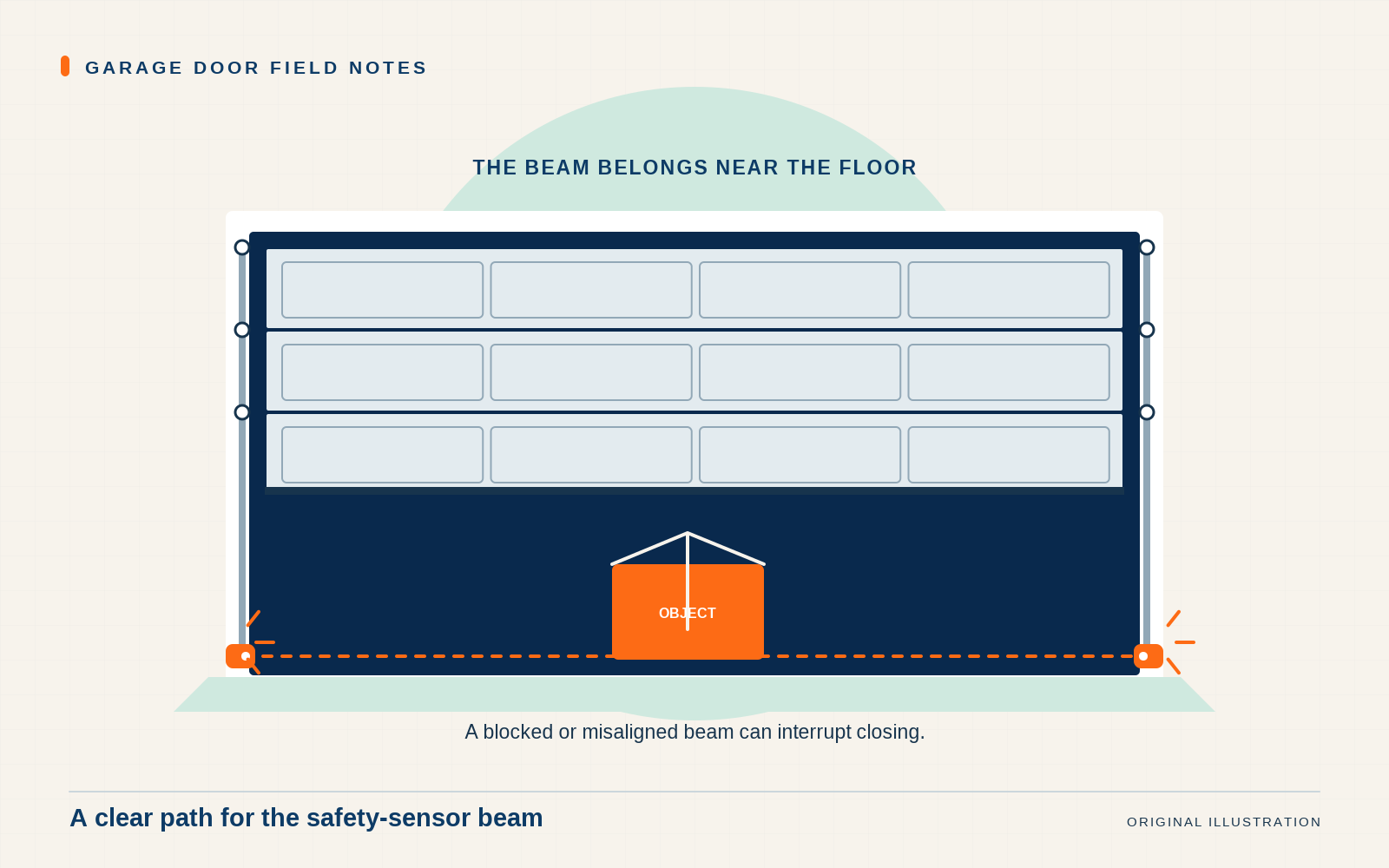
A blinking photo-eye light is an observation, not a universal error code. Identify the opener and sensor system, note which light changes, and separate an interrupted safety beam from other reasons a door will not close.
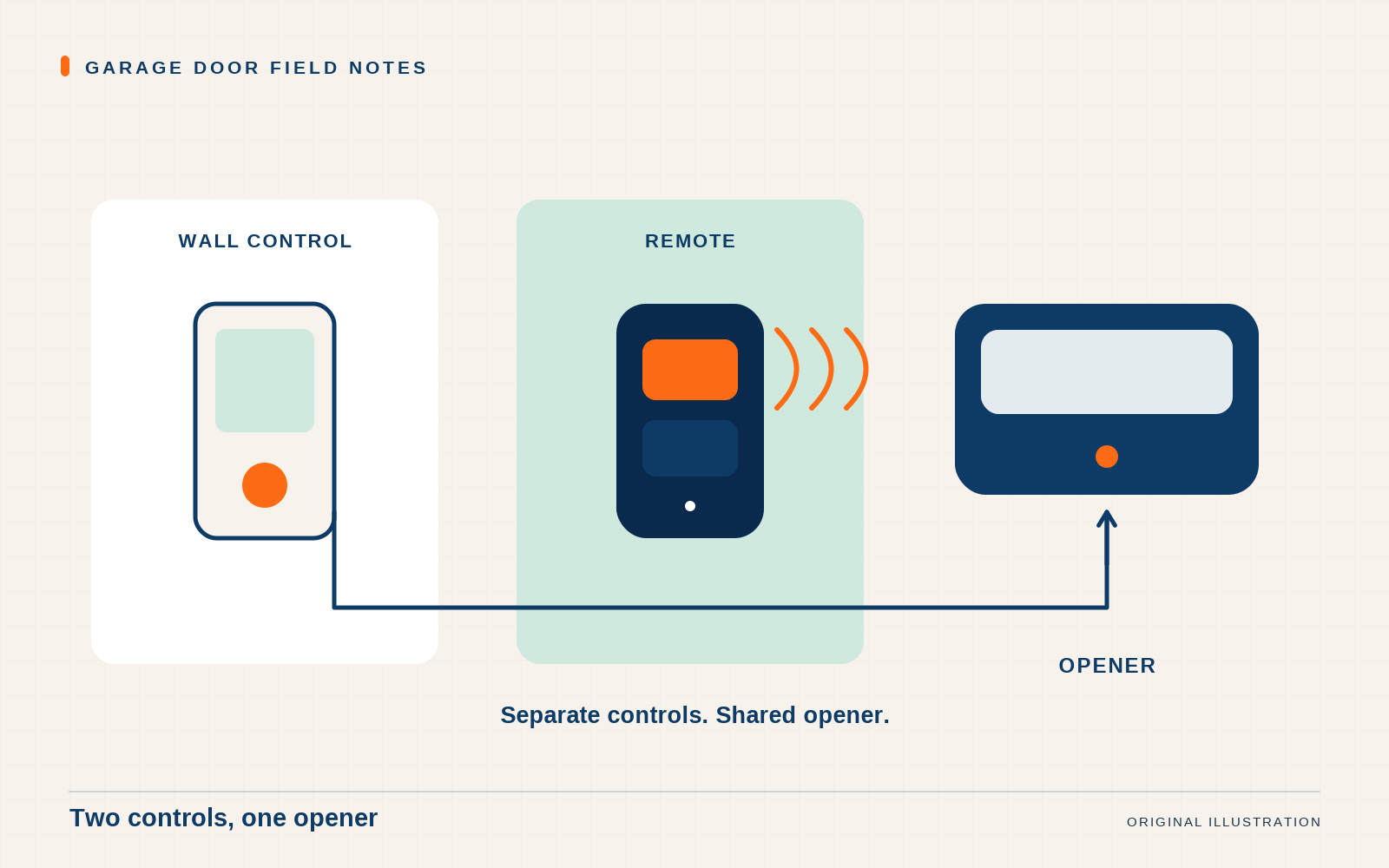
If the wall control operates the door normally but a handheld remote does not, the fault may be in the remote, its programming or the radio path. Use that distinction to narrow the problem without erasing working controls or replacing the opener unnecessarily.
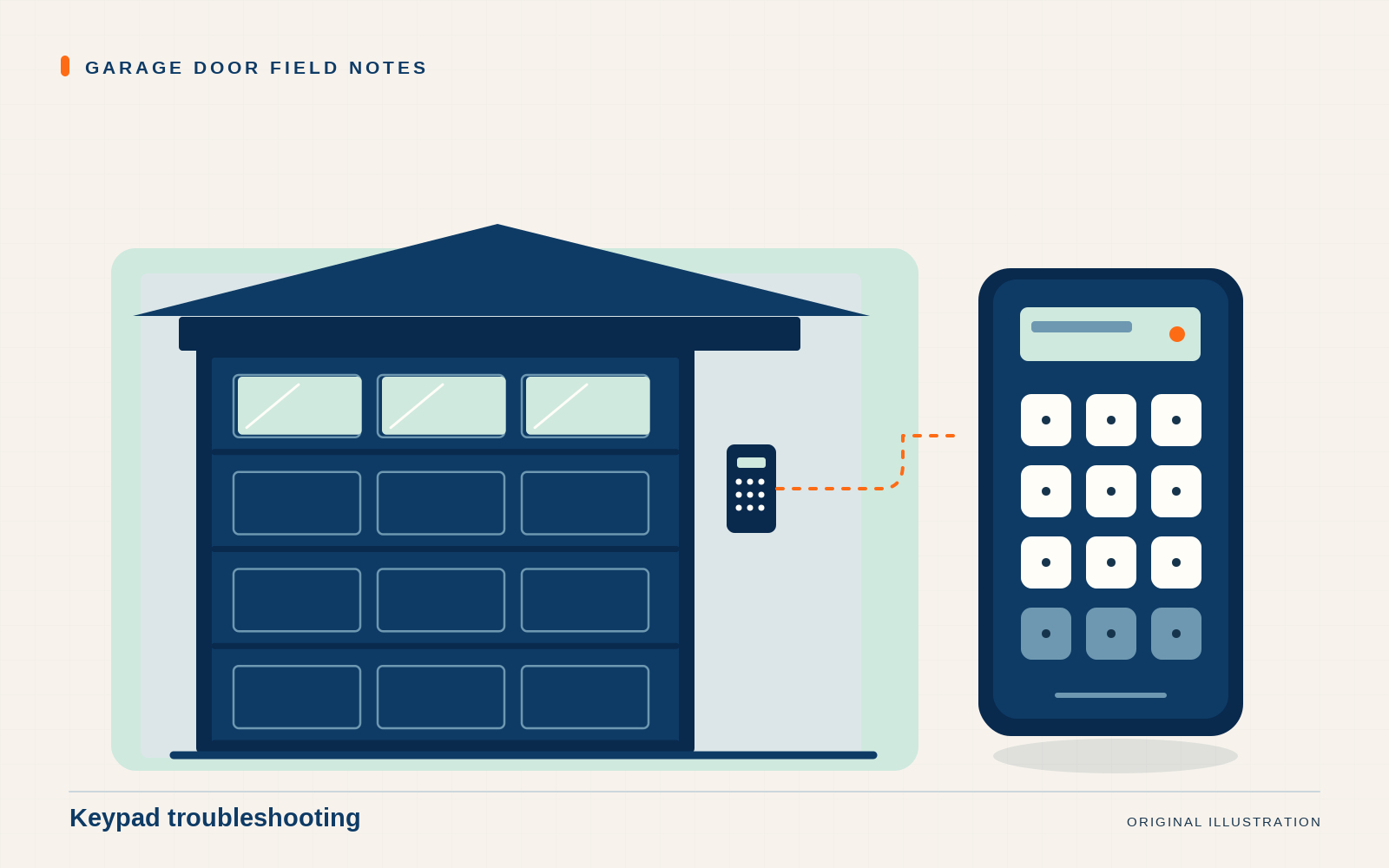
A keypad failure is usually easier to describe than to diagnose by guesswork. Start with the exact keypad and opener models, then separate loss of keypad power, PIN behavior and radio compatibility before changing settings.
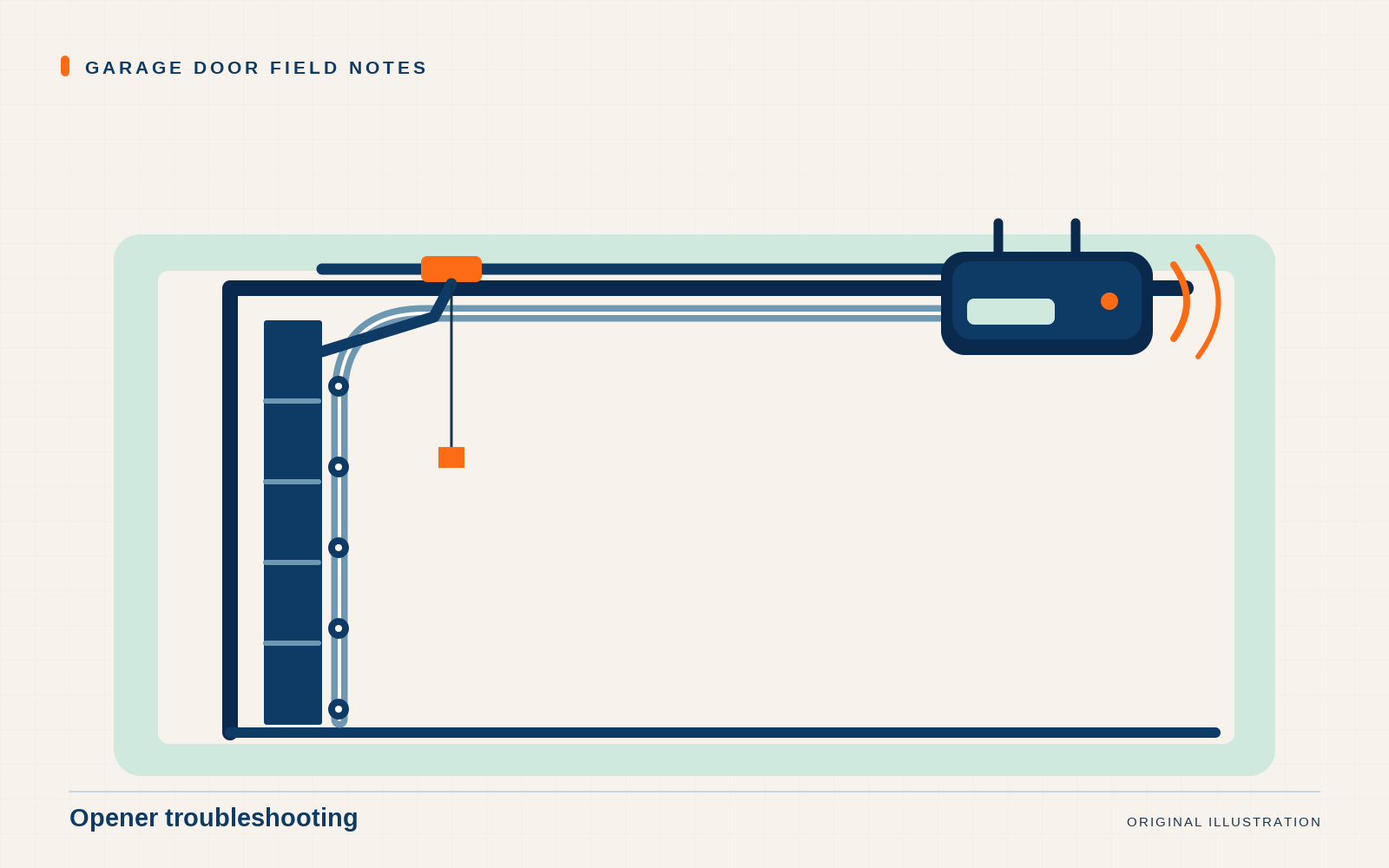
A hum tells you that something is responding, but it does not identify the failed part. Stop repeated attempts and separate the door's mechanical condition from the opener's drive and controls before approving a repair.
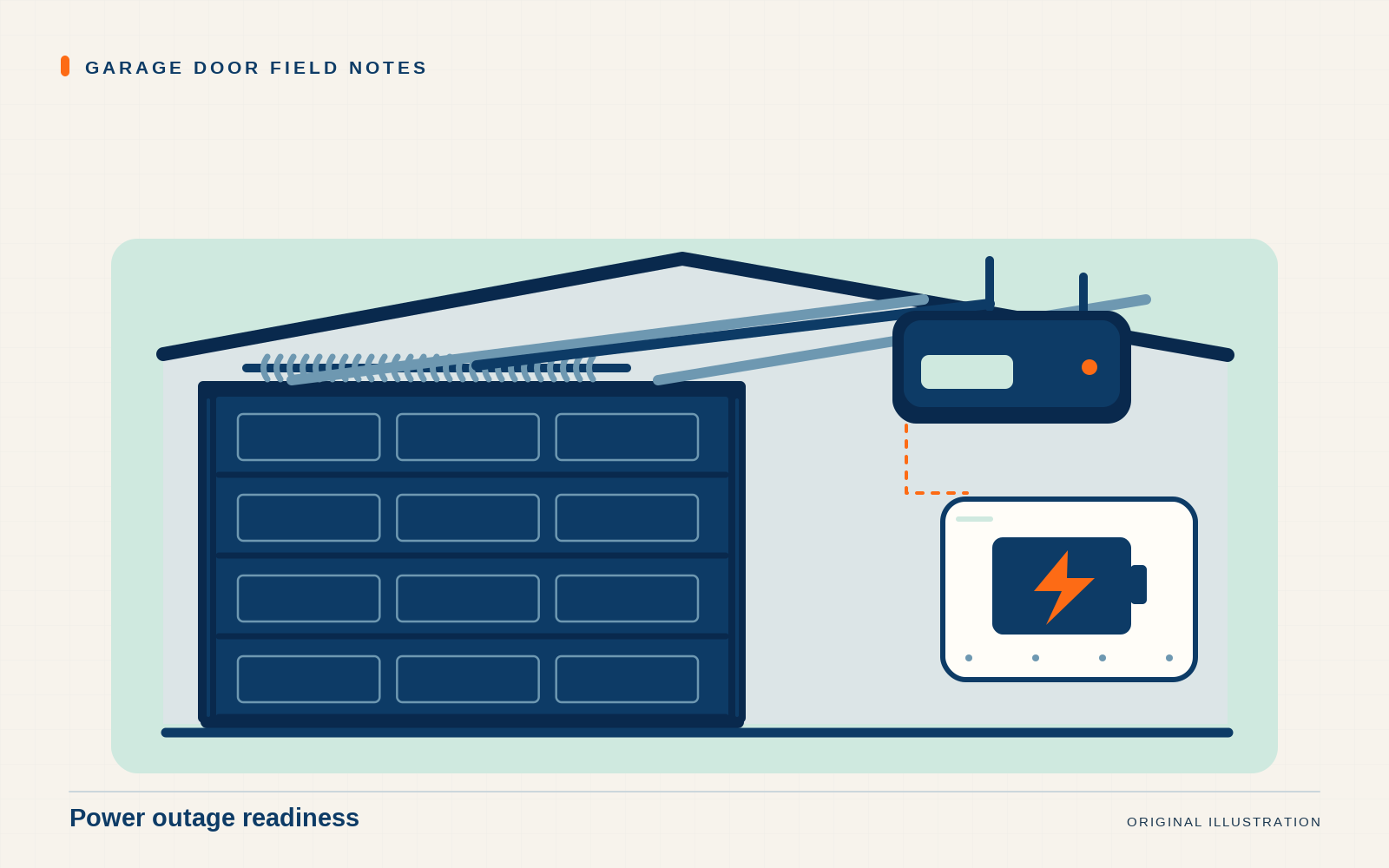
Plan outage access while the door is working normally. Confirm whether the exact opener has a functioning backup battery, keep local controls available and know when the door's condition makes manual operation unsafe.
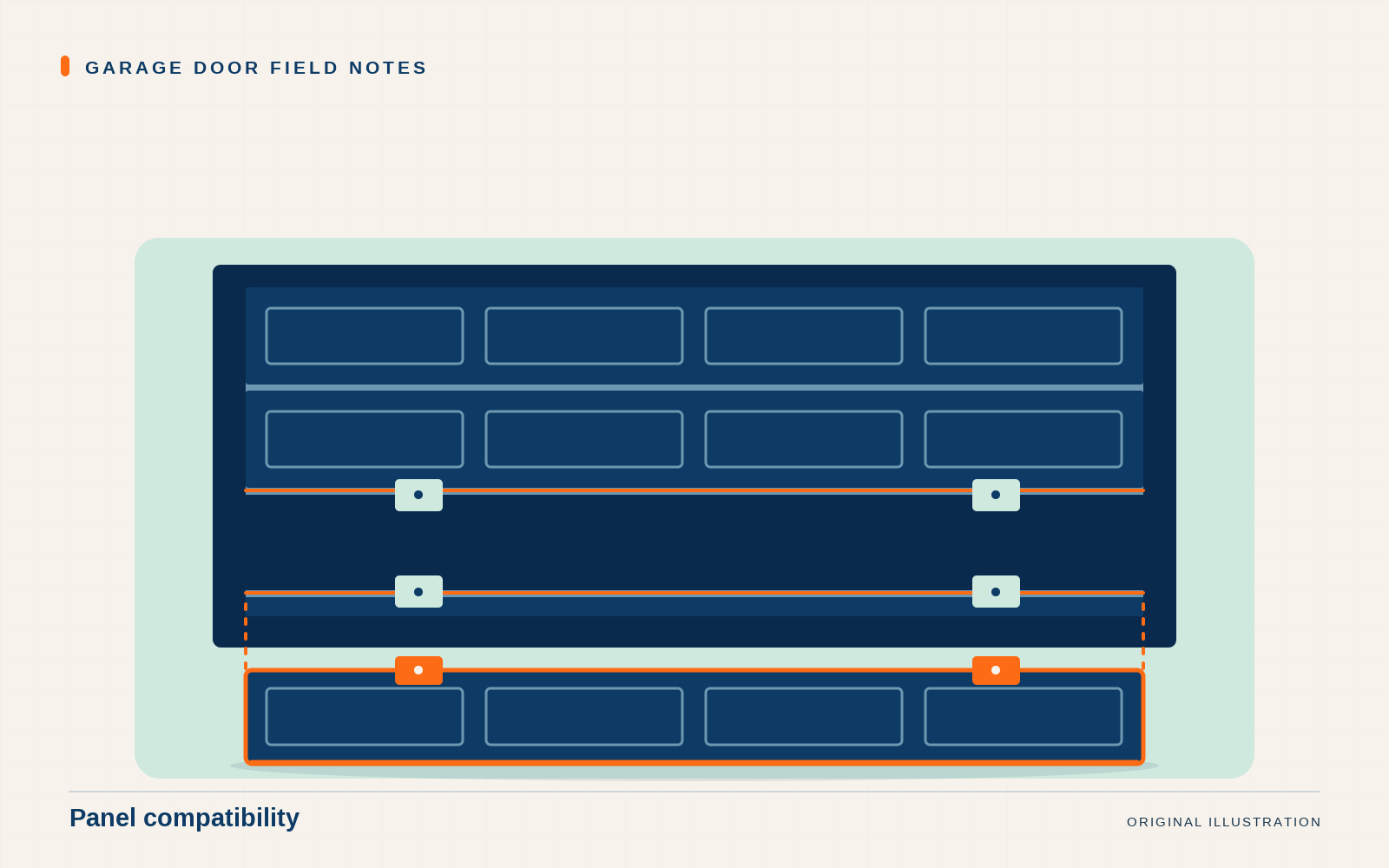
Replacing one damaged section can be possible, but the new part must belong to a compatible door system. Identify the door, assess damage beyond the dent and compare a complete panel-repair scope with the alternatives.
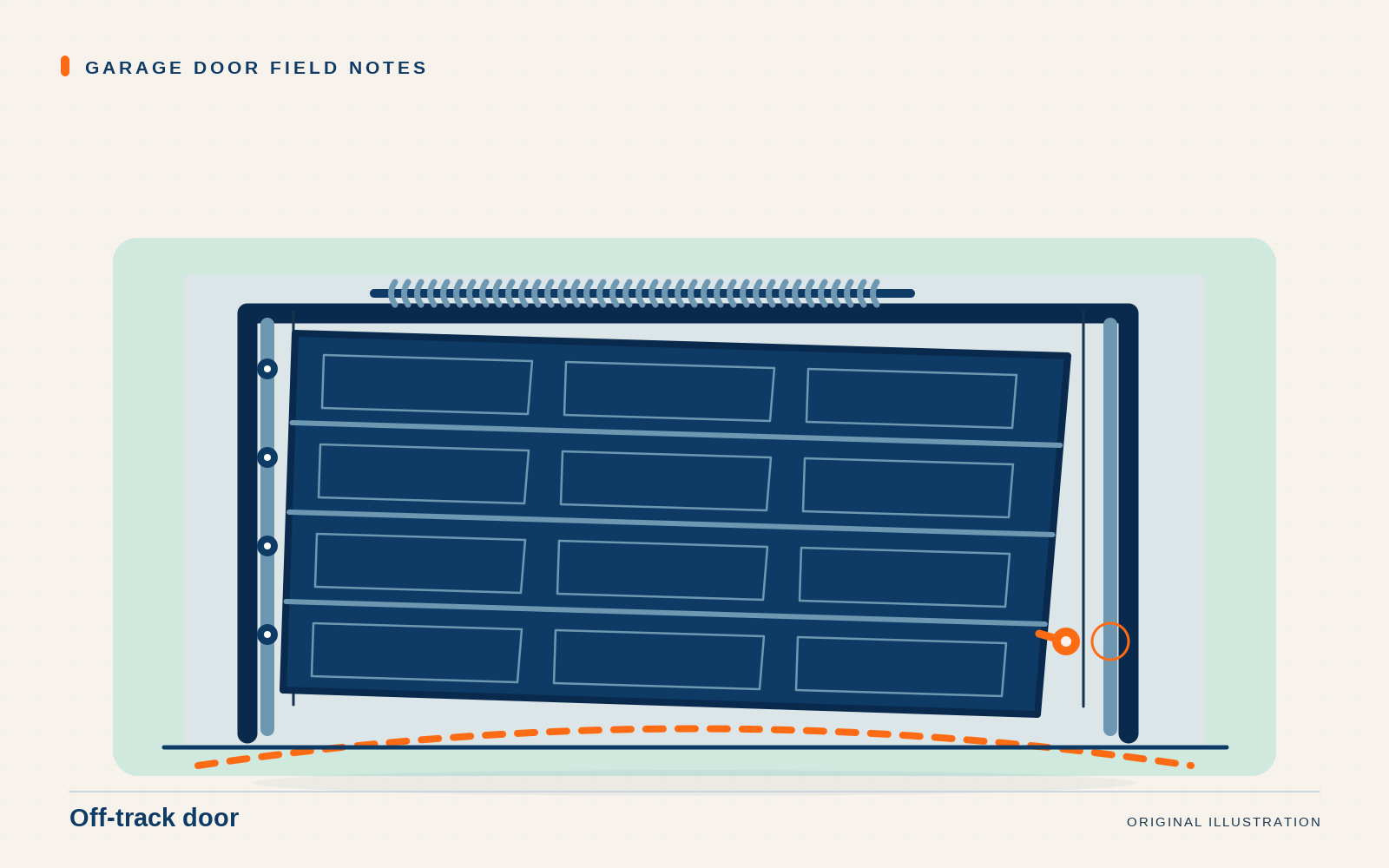
A crooked door or a roller outside its track needs a stop-use response. Keep people away, leave the door in place and collect only observations that can be made safely while arranging a professional assessment.
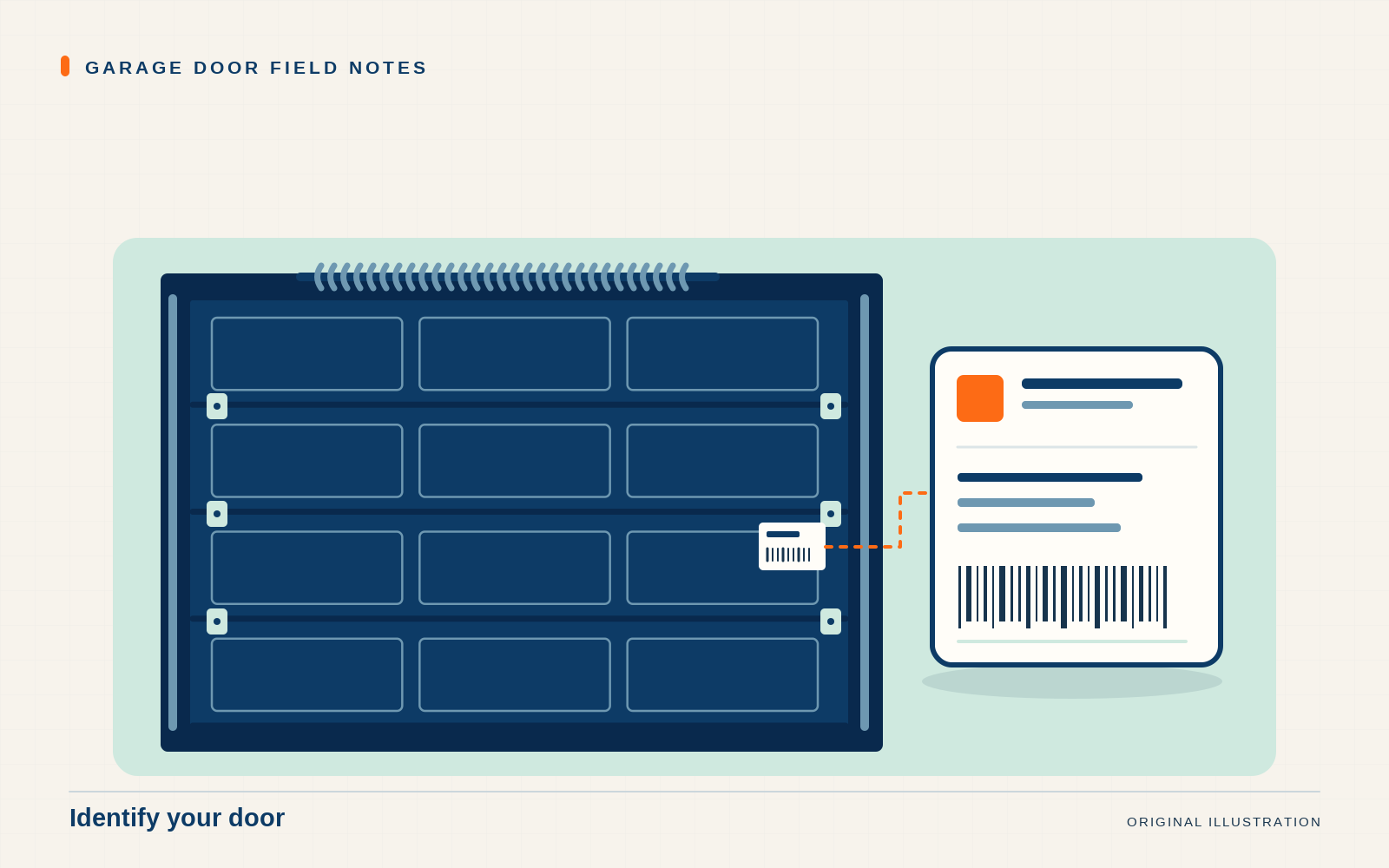
The door, motorized opener and access controls may come from different manufacturers. Keep their identification separate so a supplier can find the right manual or assess parts compatibility without relying on appearance alone.
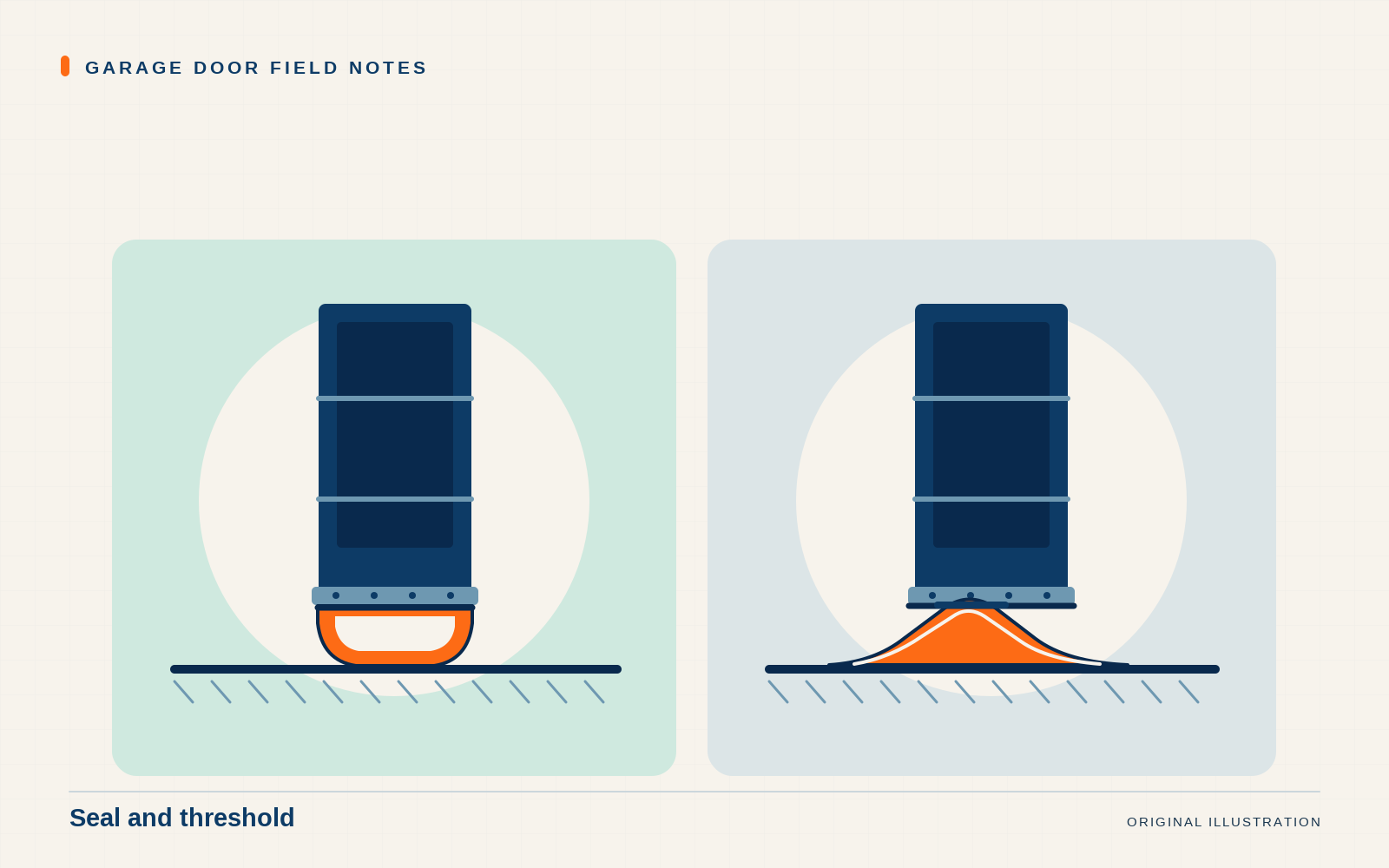
A bottom seal moves with the door; a threshold stays on the floor. Choose a remedy by the location and cause of the gap, then confirm fit and normal closing clearance before adding material.
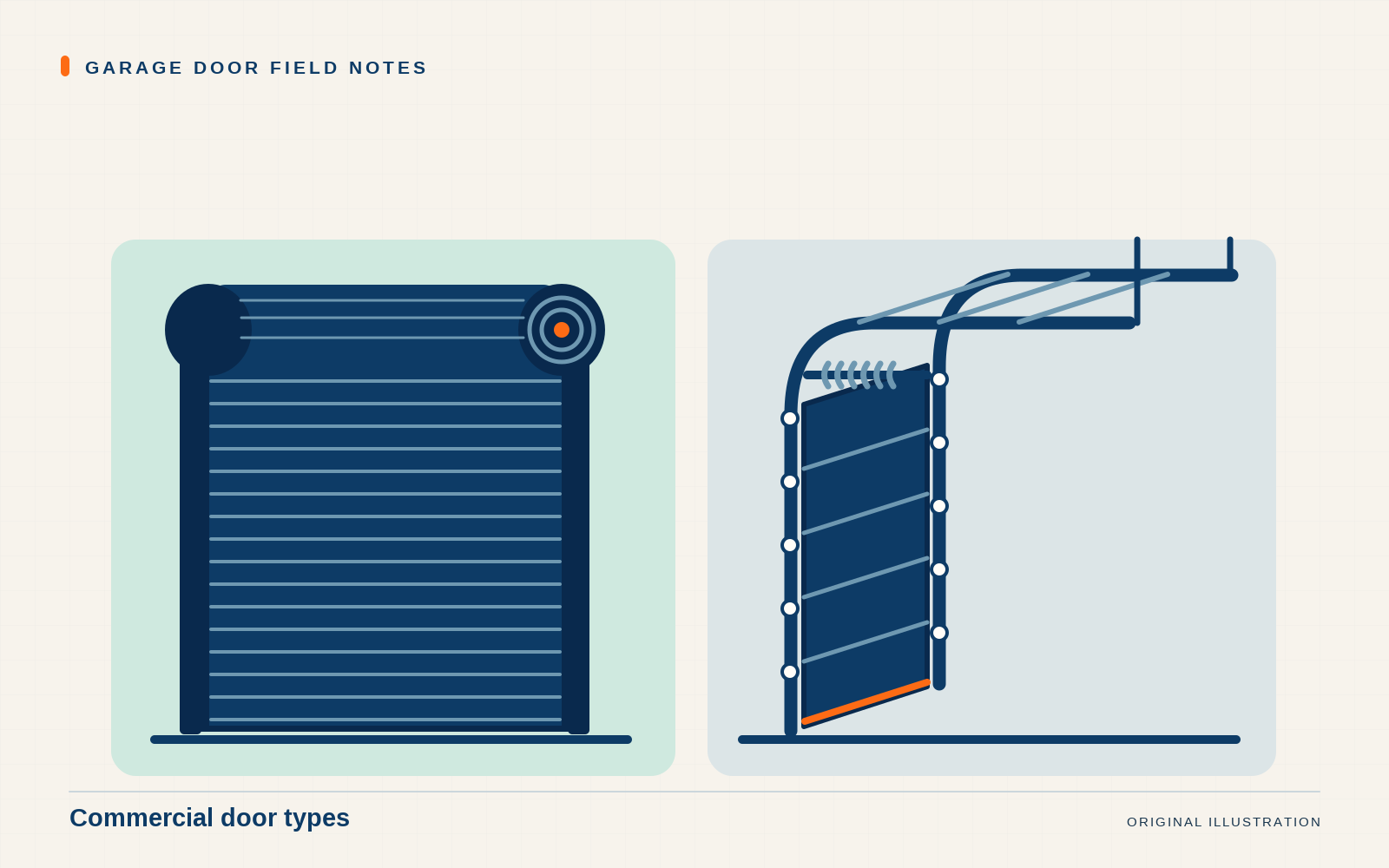
Rolling and sectional commercial doors use different travel paths. Compare the space available, actual traffic and required performance for specific door-and-operator combinations, then plan service access and downtime around the building's use.
Try a simpler term such as “opener” or browse all topics.
Explore practical maintenance and troubleshooting articles at HowToGarageDoors.
WHEN READING ISN’T ENOUGH
Share the symptom and your location. Ask about service availability and the next step for your door or opener.