 Garage Openers
 Garage Springs
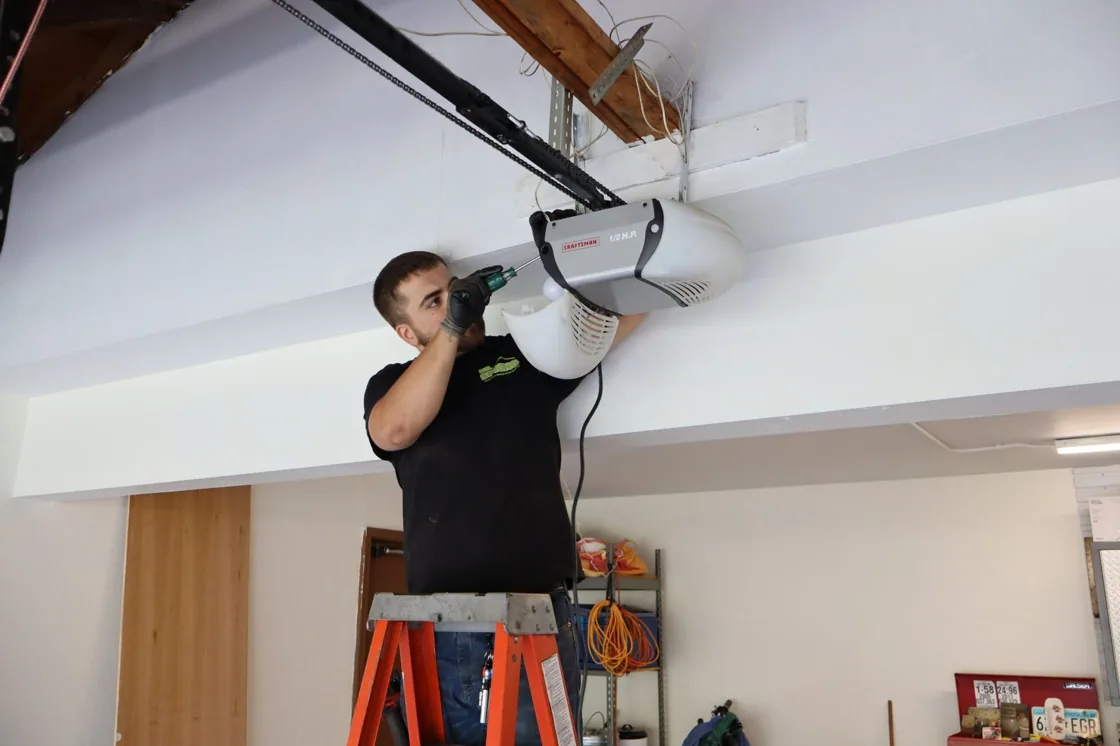
Motor, Gear & Sprocket Repair
When the motor hums or turns but the garage door stays still, we check the door load, motor response and drive connection before specifying a part.
See service details
We repair all brands – not just these.
Los Angeles Garage Doors repairs garage door openers that hum, stall, reverse, lose remote range or stop responding. We diagnose the motor, drive rail, sensors and controls alongside the door, so the repair addresses the cause. Call for free diagnosis and availability for your address.
Garage door opener repair starts with identifying which part stopped doing its job. We work on motors, drives, sensors and the controls that open and close the door.
When the motor hums or turns but the garage door stays still, we check the door load, motor response and drive connection before specifying a part.
See service details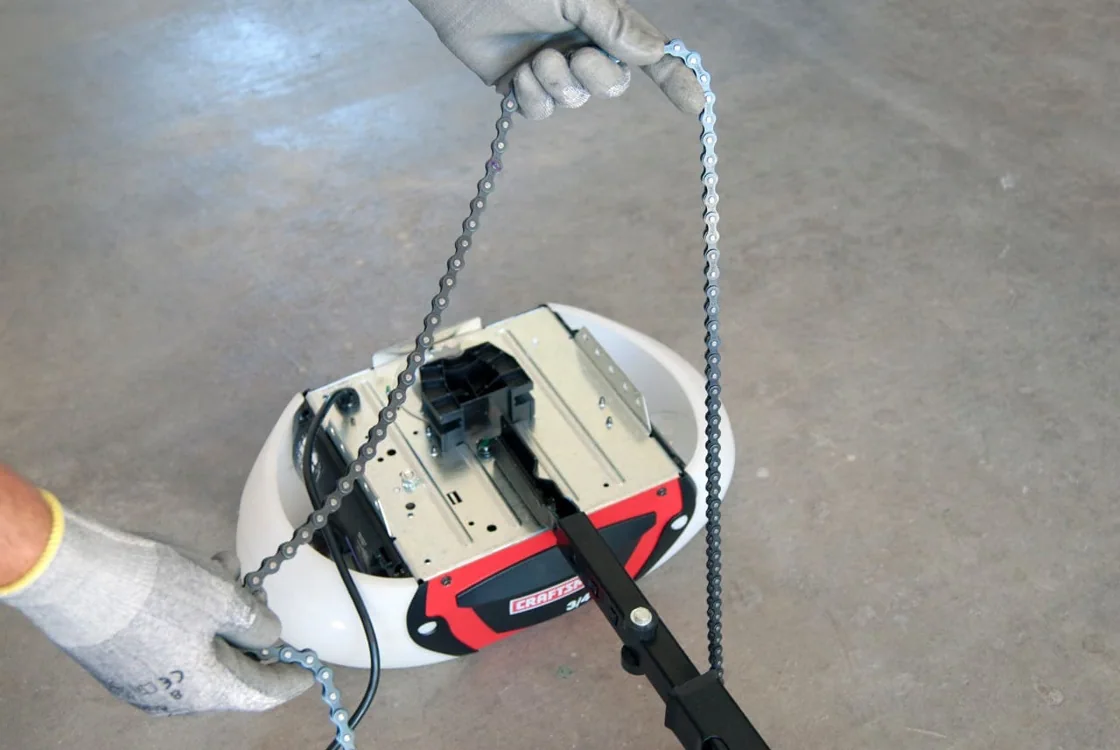
Rattle, skipping or a trolley that will not engage can come from drive wear, a damaged rail, a loose mount or strain from the door itself.
See service details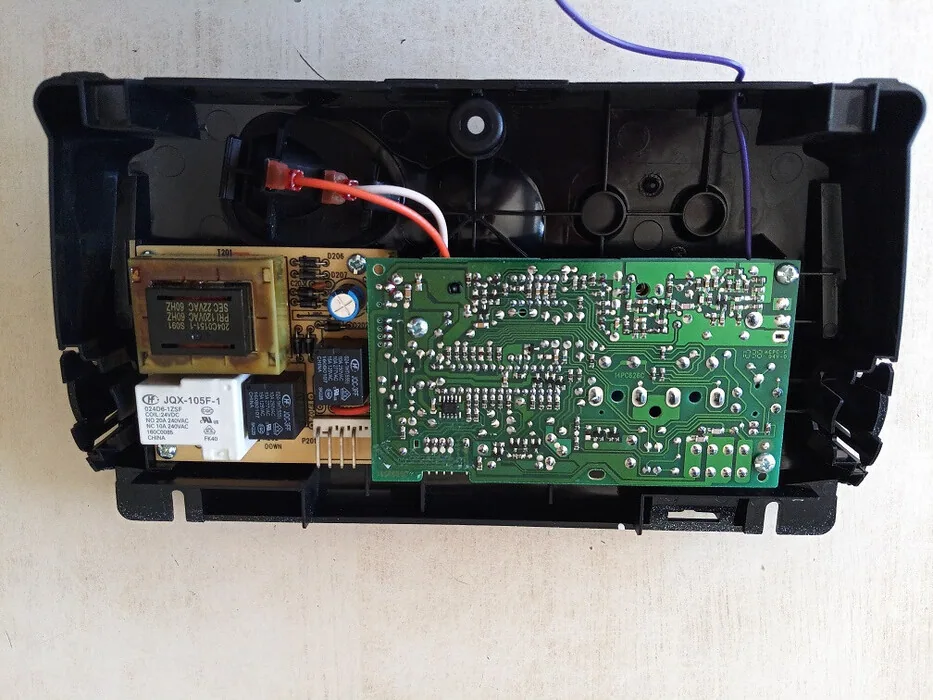
A garage door opener can still have power or lights while a wall control, receiver, board or wiring fault prevents normal operation.
See service details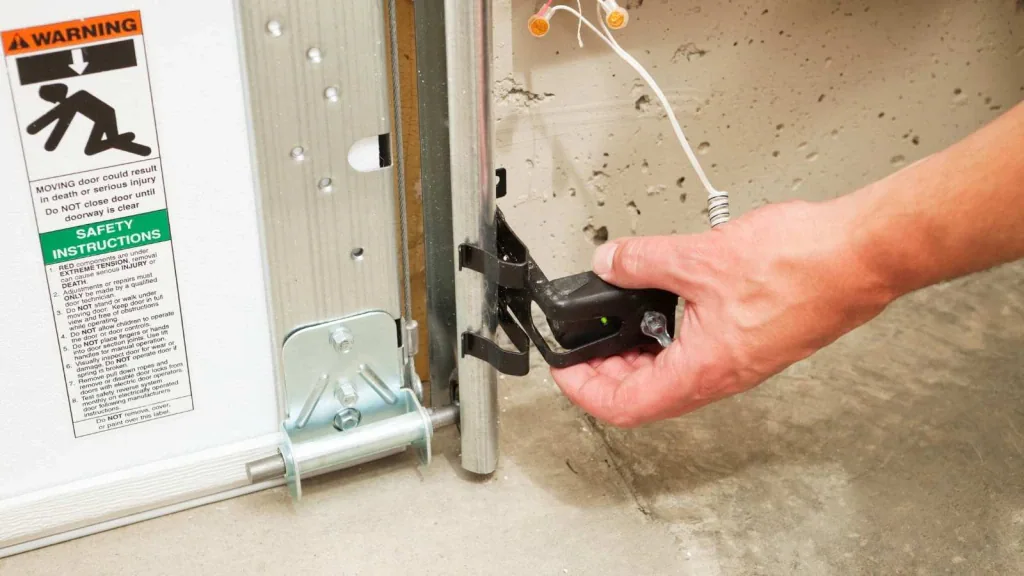
A door that opens normally and will not close may have a photoeye or wiring fault. It may also be encountering resistance during travel.
See service details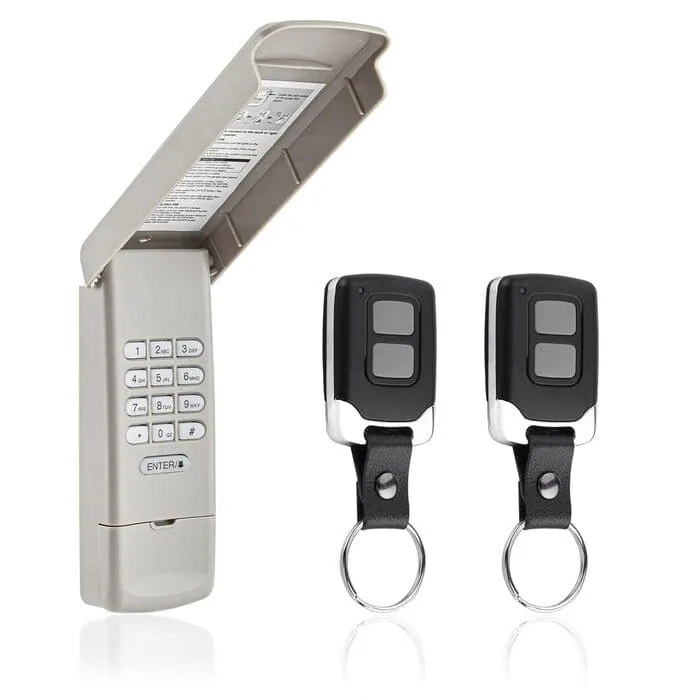
We repair or replace compatible wireless garage door controls, from one intermittent handheld remote to a keypad or receiver that no longer responds.
See service details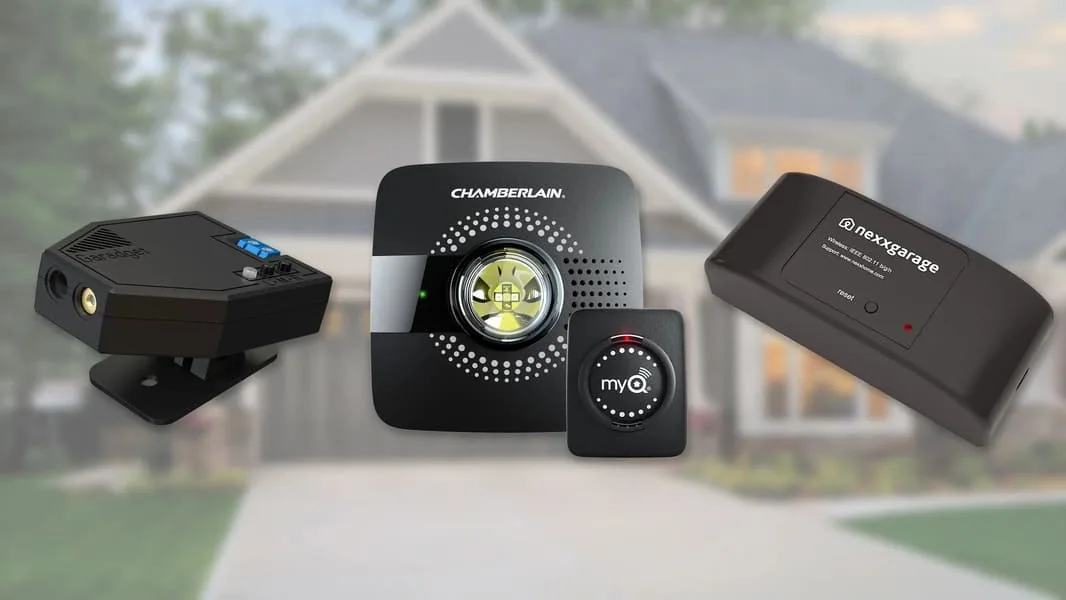
If an app shows the door offline, local wall-control operation helps separate a connection fault from a motor or door problem.
See service details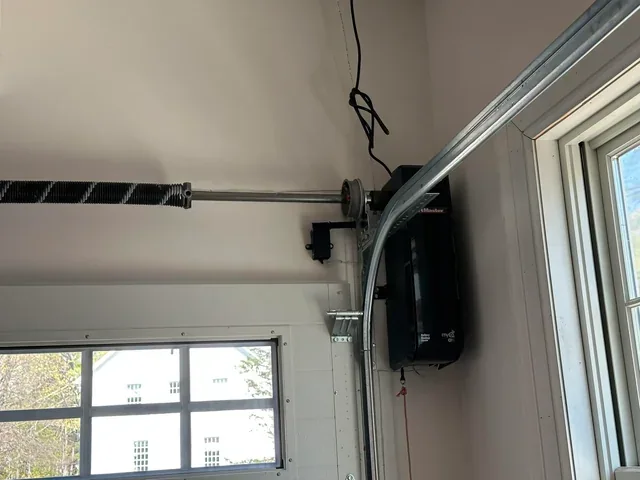
A side-mounted operator can stop because of the door lock, sensors, mounting, cables, shaft or an internal drive fault.
See service details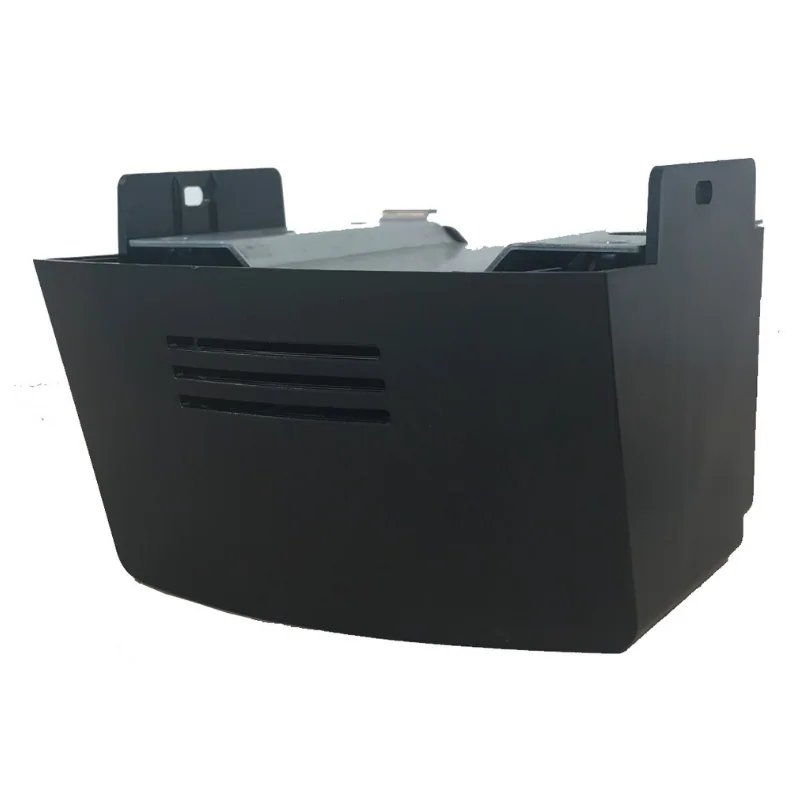
Beeping or a backup alert does not by itself tell you whether the fault is a battery, charger, wiring or power supply.
See service detailsWhen the motor hums or turns but the garage door stays still, we check the door load, motor response and drive connection before specifying a part.
A short hum and a stop can come from a stuck door or a failed part inside the opener. If the motor moves but the chain or belt does not, the gear and drive connection need inspection. If the drive moves but the door stays in place, we check the trolley, release and door arm.
Gear or sprocket repair makes sense when we can match a replacement part and the powerhead, rail and door remain in good condition. An opener that has been pulling a heavy door needs the counterbalance checked too. After work, we test movement and confirm that the drive responds under normal door load.
Rattle, skipping or a trolley that will not engage can come from drive wear, a damaged rail, a loose mount or strain from the door itself.
Chain-drive, belt-drive and screw-drive openers have different rail and carriage parts. We identify the complete model and inspect the rail supports and connection to the door before ordering a belt, trolley, chain assembly, carriage or bracket.
A worn carriage can allow the motor to run without moving the door. When the rail visibly shifts under load, we check the mounts and the path the door takes. We test the whole cycle after repair and explain whether worn supports or door hardware also need service.
A garage door opener can still have power or lights while a wall control, receiver, board or wiring fault prevents normal operation.
We compare which local and wireless controls respond and note whether the unit lost power before the fault. We inspect the wall control, wiring and related inputs. Replacing a control board usually requires matching its model and version, even within one opener family.
If a compatible board is available and the rest of the opener is sound, we can quote the board and setup. If the fault is limited to wiring or the wall console, we explain the smaller repair. Any replacement is checked with the installed safety devices and compatible controls.
A door that opens normally and will not close may have a photoeye or wiring fault. It may also be encountering resistance during travel.
We inspect the two sensor indicators, their brackets and the low-voltage wire, then compare them with what the door does during movement. A loose bracket can look fine with the door at rest and shift when the track vibrates. We also check for obstructions and binding.
If a compatible pair needs replacement, we identify the kit and any mounting or wiring changes first. We check that the door closes normally and responds correctly during the model-specific safety checks. We do not bypass the photoeyes to make a malfunctioning door close.
We repair or replace compatible wireless garage door controls, from one intermittent handheld remote to a keypad or receiver that no longer responds.
Tell us whether the wired wall button still operates the door, whether all remotes failed together and whether the fault changes with distance. One accessory failing can point to its battery or condition. Multiple devices failing at once can point to the receiver or a shared control issue.
We check the opener and radio generation before supplying an accessory. On a multi-door garage we verify the corresponding buttons and entry codes for each door. A range check from your ordinary approach helps identify a weak signal that a close-range pairing test can miss.
If an app shows the door offline, local wall-control operation helps separate a connection fault from a motor or door problem.
On compatible systems we check the opener model, installed app or add-on module, power and the garage connection. LiftMaster and Chamberlain may use myQ, while Genie may use Aladdin Connect. Some openers require a compatible accessory and others do not support the requested feature.
If the network changed, we check the connection path before replacing a controller. If the app shows the wrong door state, we identify the supported door-position reporting setup. After work, we test the supported functions separately from normal operation at the wall and remote.
A side-mounted operator can stop because of the door lock, sensors, mounting, cables, shaft or an internal drive fault.
Wall-mount or jackshaft opener repair starts with the door configuration. We inspect the operator mount and shaft fit along with the supported lock and safety devices. If the door is crooked or heavy, worn or damaged door hardware may have to be addressed first.
A new motor alone may not fix a lock or sensor failure. We use the installed model to identify compatible parts, test opening and closing with the actual door and confirm appropriate operation of the controls and safety devices.
Beeping or a backup alert does not by itself tell you whether the fault is a battery, charger, wiring or power supply. Garage door opener battery replacement is a separate service from replacing a coin cell in a remote. Tell us the motor model, whether it has a backup battery installed and whether it beeps or gives a battery warning. We check the battery, charging circuit and power supply before identifying a compatible replacement.
We record which indicators or sounds are present and check whether the opener responds on mains power. A discharged pack after an outage is a different problem from a battery that no longer holds a charge or an opener that stops responding altogether. We verify the specified battery type before quoting a replacement.
On supported equipment we check backup operation, then confirm the ordinary controls still work. If the warning remains after a compatible battery is fitted, the power and charging circuit need further diagnosis. We explain which features depend on house power or network access.
Garage door opener and garage door problems can look alike. A heavy door, damaged cable or bent track can overload the operator. If the door is crooked, is stuck partway open or became heavy after a loud bang, leave it in place, stay clear of the opening and stop using the opener.
We check the door and opener separately where safe. If the cause is an out-of-balance door or failed spring, we explain the appropriate garage door spring repair or spring replacement before recommending motor work. If the problem is in the opener, we use model and component information to quote the repair.
Tell us what happens from the wall button, keypad and remote. Note whether the door moves at all, whether the opener displays a signal and where travel stops. Those differences help us plan the service call.
We check door load, drive engagement and which component responds. Continued attempts can add wear when the door is jammed.
We check the photoeyes, wiring and the closing path. An obstruction or damaged track can produce a similar result.
We inspect the tracks, bottom contact and model-specific settings before replacing a sensor or board.
A local control that works helps separate a wireless accessory or receiver issue from a general opener failure.
We confirm that the door still operates locally. Connected functions are tested separately from the regular opening and closing behavior.
We check power at the unit and the response of local controls. For supported systems, we verify the backup battery and its charging behavior.
Brand and model matter for repair. Similar-looking openers can use different rails, receivers, batteries, sensors and logic boards. Bring the whole model label when you call.
Motor, drive, wall-mount service and myQ setup.
Chain and belt drives, wall-mount systems and compatible myQ accessories.
Safe-T-Beam, Intellicode, screw drives and Aladdin Connect.
Synergy, M-Line, EOS and model-matched controls.
LDO and LDCO operators, MegaCode and external receivers.
Legacy gears and rails, supported remotes, keypads and newer units.
Garage door opener repair cost depends on the failed part, compatibility, access and whether the door hardware also needs service. We offer free diagnosis and explain the repair scope before you approve the work. A sensor alignment, a matched remote and a motor or circuit-board repair have different parts and labor requirements. Your garage door opener repair quote depends on the failed part, the model and the access above the door. A misaligned photo eye, damaged trolley, worn gear and failed logic board have different scopes. Ask us to compare a component repair with garage door opener installation or replacement if compatible parts are limited.
We identify what fits the existing unit, then explain whether the quote includes setup, alignment, programming or a replacement accessory.
The quote can include a compatible gear kit, carriage, belt, rail assembly or control board. We explain the condition of the rest of the opener before quoting the part.
Where the right part is discontinued or several systems are worn, compare the repair scope with a new model, rail and controls sized for the opening.
Garage door opener repair is often worthwhile when the door is in good condition and the fault is isolated to an available part. Replacement is worth comparing if parts are unavailable, the opener has several failing components or an old unit cannot support the controls you need.
A new opener still has to fit the door. We check mounting, available headroom, rail length, door condition and supported safety devices. See garage door opener installation for belt, chain and wall-mount options and what goes into a replacement quote.
When you book garage door opener repair, we ask for the address, the full model if available and the symptoms you can observe safely. Tell us if the opening is shared, the door is stuck open or a vehicle is trapped.
We inspect the door, opening and opener to determine whether the fault is in the drive, power, sensor, controls or hardware.
We identify the compatible parts and explain the repair, alternatives and price before starting. If anything else affects safe operation, we discuss it with you.
We verify the relevant controls and normal travel, then test the safety functions required for the installed opener. Ask which features we checked and what to watch for in use.
We work on overhead openers and compatible operators for different garage layouts. An attached garage with a room above it may need a closer check of rail vibration and mounting. A narrow or low-clearance garage may need a different replacement configuration. A shared garage may also need access arranged with a property manager.
Tell us what has changed since the last normal cycle, such as a power outage, a router swap, impact damage or recent door work. Browse Los Angeles area service locations and call with your ZIP code to confirm availability.
If you are comparing symptoms before booking service, these guides explain what a few common signs can mean and what details are useful for the technician.
Read the garage door opener humming guide for the difference between a stalled drive and a door that is hard to move.
See what is useful to note in our garage door sensor guide. Different brands and sensors use different indicator patterns.
Our remote troubleshooting guide explains why a working wall control helps narrow the issue.
For more examples of garage door and opener work, see completed projects and repair cases.
The motor can respond while the drive, trolley or door is stalled. We check the opener and whether the door is hard to move because of a spring, cable or track problem.
Yes. We inspect safety sensors and wiring and check whether something in the door or track stops the closing cycle.
Often, when the board is the source of the fault and the correct version is available. We check inputs, wiring and compatible controls before suggesting a replacement board.
Yes. We identify the full opener or receiver model, match the compatible accessory and verify the programmed control with the correct door.
An isolated fault with a compatible part may make repair a good choice. Consider replacement when a specified part is unavailable or several worn components are involved. We compare the scope and price on site.
We check which local controls work and identify the model and supported app or accessory. A connection loss can be separate from a door or drive fault.
Yes. We identify the specified pack for the model and check power and charging. A low-power alert can require a different repair from a drained battery.
Call with the service address, model and symptoms to confirm availability. A typical arrival estimate is 30–60 minutes when a technician is available nearby. The service window depends on location and schedule.
Yes. We evaluate the opener, door shaft and related lock or sensor inputs for the installed model, and test travel after the repair.
Call for garage door opener repair in Los Angeles. Share your address, opener model and what the door does when you use the wall button or remote. We’ll confirm availability and next steps.
(833) 971-1117