Commercial Roll-Up Door Repair in Los Angeles

Commercial rolling-door repair

A stuck or damaged rolling door can interrupt access and leave an opening unsecured. Get help identifying the fault in the curtain, guides, operating hardware or door operator, and plan the repair for your commercial opening.

  • Rolling steel and sheet doors
  • Curtain, guide and drive faults
  • Manual and motorized systems

Repair for the affected commercial opening

A stuck roll-up door can block a delivery, leave a work area exposed or keep a bay out of service. Tell Garage Door Repair LA which opening is affected and whether the door is manual, chain-operated or motorized.

From a curtain catching in its guides to an operator running without moving the door, the assembly and the fault need to be assessed together. Confirm the actual equipment, access requirements and repair scope when you call.

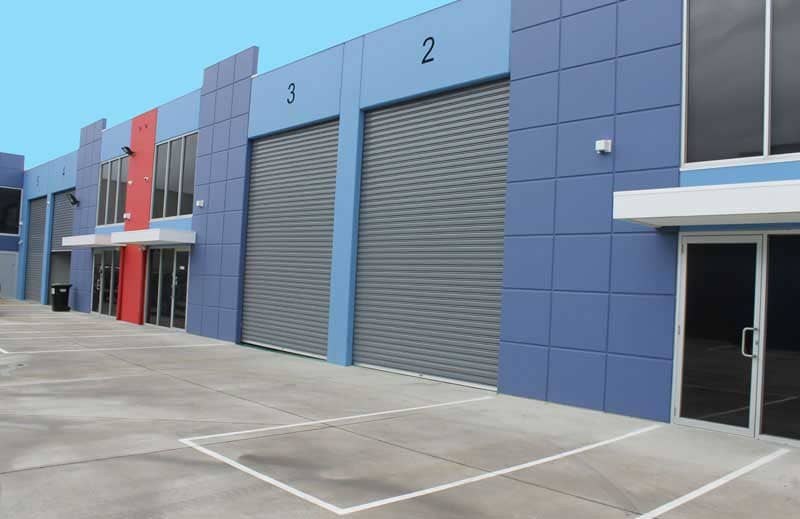
Closed metal rolling doors at commercial units
Commercial rolling-door types shown for reference.

Roll-up door types and repair needs

A rolling curtain coils above the opening. A sectional overhead door has hinged panels that travel on tracks. Identifying the door prevents mismatched parts and repair assumptions.

Rolling steel doors

An interlocking slat curtain coils above the opening and runs in side guides. These doors may use a hand chain or a motor operator. A bent slat, damaged guide or distorted bottom bar can affect the whole curtain’s travel; the visibly damaged piece is not always the only part that needs attention.

Rolling sheet doors

A corrugated sheet curtain rolls above the opening. Sheet doors are a separate product family, with their own guides, curtain construction and operating hardware. Share the manufacturer and model before assuming that an individual “panel” or slat can be replaced.

Sectional overhead doors

Wide hinged sections usually travel along tracks into the building. If that describes your door, start with our commercial garage door repair service. Identifying it correctly avoids mixing sectional-door parts with rolling-door components.

Stuck, damaged or not moving correctly?

Describe the fault and the current door position. Avoid repeated attempts to reproduce a problem with a damaged or unstable door.

Stuck open, closed or halfway

Curtain/guide interference, operating hardware and operator response

When you call: Current position, last normal operation and any recent impact.

Crooked curtain or one side binding

Curtain, guide and supporting assembly damage; continued operation can worsen an unsafe condition

When you call: Whether the bottom bar looks uneven or the curtain is displaced.

Bent or separated slats

Compatible slat or curtain repair versus wider guide, bottom-bar or support damage

When you call: Where the damage is and whether a vehicle or load contacted the door.

Motor runs, hums or stops

Mechanical resistance, drive components, controls and protective devices

When you call: Operator model, control used and any displayed fault code.

Hand chain is unusually hard to pull

Binding, drive or counterbalance faults on the particular design

When you call: When the change began; do not pull harder to demonstrate it.

Door stops short, reverses or will not close

Door travel, operator limits and installed safety-device condition

When you call: Whether the behavior occurs at one point or throughout travel.

Scraping, grinding or a new impact noise

Curtain/guide contact, hood interference or worn operating components

When you call: Where it seems to come from, without repeated cycling.

Rolling-door repair from curtain to drive

Commercial roll-up door repair covers the curtain, slats, guides, bottom bar and operating hardware. Tell us if it is a rolling steel door, storefront shutter or sheet door and whether it uses a motor, hand chain or manual lift. A rolling door that binds at one guide needs a different assessment from an operator that will not run.

Curtain, slats and bottom bar

A local dent and a curtain that no longer travels squarely are different repair problems. The assessment should establish the product construction, extent of damage and availability of compatible components before choosing between a localized repair and curtain replacement. A rolling sheet door should not be quoted as though it were an interchangeable slat system.

Guides, supports and the hood

Side guides must allow the curtain and bottom bar to travel as designed. Impact, damaged wear material or a distorted hood can create interference. Describe any forklift, vehicle or loading incident even if the door still moves. Repeatedly cycling a binding curtain is not a useful test of whether it is safe.

Operator, motor and manual drive

A motor fault is not automatically a motor-replacement job. Door resistance, the drive connection, controls, limits and installed protective devices need to be considered together. For a hand-chain door, a chain that becomes difficult to pull also needs diagnosis. Do not bypass a sensing edge, photo eye, interlock or other protective device to get the opening working.

Counterbalance and model-specific hardware

Many rolling doors have a spring counterbalance; some commercial designs are springless. The model determines the inspection and repair procedure. Work involving stored tension, supports or the coiling assembly belongs with a trained door technician, not a generic online adjustment sequence.

Plan access around the affected bay

For a warehouse, workshop, loading area or storefront opening, the repair request is also an access plan. Tell us: For a jammed warehouse roll-up door or storefront security shutter, tell us whether the opening is unsecured and when stock, vehicles or customers need to pass. If the door has hinged sections that travel overhead along tracks, use commercial overhead garage door repair.

  • The site address and the specific bay, unit or opening number.
  • Whether the door is stuck open, stuck closed or able to remain safely out of service.
  • Who can authorize the work and meet the technician.
  • The door and operator manufacturer/model, if readable from a safe position.
  • Any vehicle impact, visible structural damage or electrical problem already reported.
  • Access restrictions, delivery windows and space around the opening.

Clear the approach when it is safe to do so. Report restricted overhead space or a door above a busy route in advance; the appropriate access equipment and work-area controls depend on the opening. Do not promise staff or tenants a reopening time until the door condition, compatible parts and repair plan are known.

From the blocked opening to a repair plan

  1. Identify the opening

    Provide the site, bay number, door type and current position. Share a model label only if safely accessible.

  2. Assess door and drive

    Identify curtain, guide, support, drive or operator faults on the actual system.

  3. Agree the repair scope

    Review proposed parts, labor, access needs, parts availability and any follow-up visit.

  4. Review operation

    Ask which functional and protective-device checks apply and what owner instructions and records are needed.

Repair or replacement: compare the scope

A repair can make sense when the damage is limited, suitable parts are available and the remaining assembly can return to proper operation. Replacement deserves consideration when damage is extensive, compatible components are unavailable or the existing door no longer suits the opening’s requirements. A photograph alone may not settle that decision.

Commercial roll-up door repair cost depends on the door’s construction and size, the affected parts, the operator, access equipment and the work needed to address the cause of the fault. A quote should identify the proposed work, parts, labor, access needs and any follow-up visit. Ask what is included before comparing a small slat repair with a curtain, guide or operator replacement.

If a replacement is being considered, confirm the required opening size, operating method, usage and relevant product ratings. A different operator or curtain is not automatically a like-for-like substitution. The diagnosed fault should determine the recommendation; a generic online price cannot establish the work needed.

Maintenance for the actual door and operator

An appropriate maintenance plan starts with the product manuals and the way the opening is used. Record changes in movement, new noise, visible damage and operator fault messages, and report them before the fault becomes a larger interruption. Keep the door identification and service records accessible to the person responsible for the facility.

Ask which checks apply to the curtain, guides, bottom seal, operating hardware and installed safety devices, and who is authorized to perform them. Lubricants, inspection intervals and adjustment procedures are model-specific. Do not use a general “grease everything” routine or a residential garage-door video for an unfamiliar commercial rolling door.

Keep the opening safe while it is out of service

If a door is crooked, partly out of a guide, dropping unexpectedly or visibly damaged, keep people and vehicles clear and stop using it. Do not pry the curtain, loosen a bottom bar or attempt spring, barrel or tension adjustments. Have authorized site personnel manage isolation under the facility’s procedures.

Commercial roll-up door repair questions

Can damaged slats be replaced without replacing the whole door?

Sometimes, but the answer depends on the curtain design, the location and extent of damage, and compatible parts. Guides, end connections and the bottom bar may also need attention after an impact. A corrugated sheet curtain is not the same construction as an interlocking slat curtain, so identify the door before requesting a slat-only repair.

Why does the motor run but the roll-up door does not move?

That symptom can involve the drive connection, mechanical resistance or other door/operator faults. It does not establish that the motor itself has failed. Stop repeated attempts, record any fault code and request an assessment of the complete assembly. Do not disconnect or bypass protective equipment to test it.

Can I use the hand chain when the motor stops?

Only authorized personnel should use a model’s manual operation feature according to its instructions. Do not switch to hand-chain operation to force a stuck, crooked, damaged or unusually heavy door. Report the current position and the fault so the next step can be planned safely.

Is a roll-up door the same as a sectional overhead door?

No. A rolling curtain coils above the opening; a sectional door uses hinged sections that travel on tracks. The repair parts and operating systems differ. If your door has wide hinged panels, see our commercial garage door repair page; the rolling-versus-sectional comparison guide explains the two travel paths in more detail.

Can you assess a door at a warehouse or storefront?

Tell us the site address, door type, opening size and access restrictions when you call. A warehouse bay and a storefront may have different products and work-area requirements. Confirm capability for the actual system; a grille, counter shutter or labeled fire door should not be assumed to have the same scope as a standard rolling service door.

What if the door is stuck open and the building cannot be secured?

Keep people clear of any damaged or unstable door and tell the person taking the request that the opening is unsecured. Ask about current service availability and the assessment process. Do not stand under the curtain or attempt to pull it down; the appropriate next step depends on the door’s condition.

How much does commercial roll-up door repair cost?

The amount depends on the fault, the door and operator, compatible parts and safe access to the assembly. Request a defined repair scope and itemized estimate. Slat damage, a complete curtain replacement and an operator fault are different jobs, so a generic online price cannot reliably cover all three.

Do all commercial rolling doors have springs?

No. Spring-counterbalanced doors are common, but springless commercial designs also exist. The manufacturer and model determine the operating system and service procedure. Do not assume a repair method from the door’s appearance alone.

Get a clear plan for the affected opening

Share the door’s position, symptoms and model information. Call about commercial roll-up door repair in Los Angeles and confirm the scope before work begins.

Call Now (833) 971-1117